


 Beyond Karakorum: How Italian and Mongolian archaeologists are uncovering the past
Support Novastan, the European Central Asia magazine
By supporting Novastan, you are supporting the only English, French and German-language media specialising in Central Asia. We’re independent and we need your help to stay that way!Just kilometres from Karakorum, the former capital of the Mongol Empire, archaeologists are uncovering evidence of thousands of years of human activity. Italian archaeologist Roberta Menegazzi speaks to Novastan Editor-in-Chief Mathieu Lemoine about discoveries in Mongolia’s Bayangolyn Valley, the technologies transforming archaeological research, and the importance of working with local communities to preserve the country’s cultural heritage.
The ancient city of Karakorum, established under Genghis Khan in the 13th century, remains one of Mongolia’s most celebrated archaeological sites. Yet the surrounding Orkhon Valley holds traces of a much longer history, extending well beyond the rise and fall of the Mongol Empire.
Around 14 kilometres northwest of modern Kharkhorin, the Bayangolyn Valley contains archaeological remains dating from the Bronze Age to more recent periods. These include funerary and ritual monuments, possible settlements and other structures that offer insights into how successive communities inhabited and shaped the landscape.
Since 2018, the Italian Archaeological Mission in Kharkhorin, led by Roberta Menegazzi of the Centro Ricerche Archeologiche e Scavi di Torino per il Medio Oriente e l’Asia (CRAST), has worked with Mongolian institutions to research and promote the region’s archaeological heritage. The mission is funded by the Italian Ministry of Foreign Affairs and International Cooperation.
Read more on Novastan: “Heritage is something alive”: Ganzorig Miimaa reimagines Mongolia through photography
Initially focused on heritage education and museum cooperation, the partnership expanded into field research in 2023. Working alongside the National University of Mongolia and the Kharakhorum Museum, the team has documented dozens of archaeological structures, employed advanced surveying technologies and begun excavations in the Bayangolyn Valley.
In an interview with Novastan, Menegazzi discusses the mission’s findings, the importance of Italian-Mongolian scientific cooperation, and why archaeology should involve not only researchers but also the communities living alongside ancient sites.
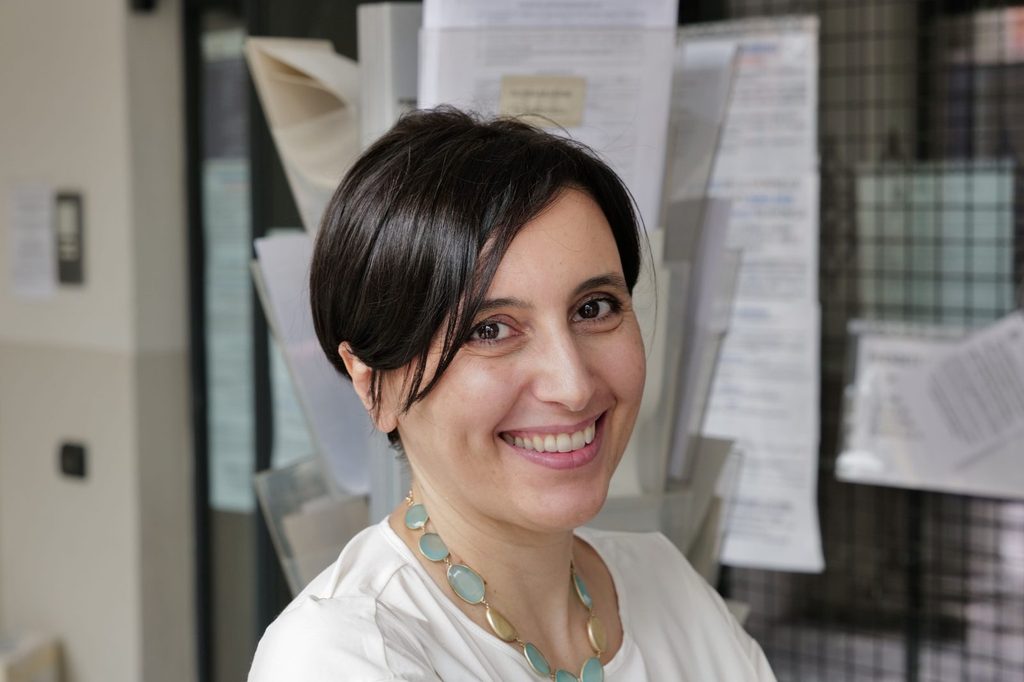
To begin with, how did the Italian Archaeological Mission in Kharkhorin come about? What initially attracted your team to this part of Mongolia, and how have the project’s objectives evolved since its launch in 2018?
Our work in Mongolia actually began as a result of an agreement signed in 2016 between the cities of Turin and Kharkhorin, which recognised our institution (the Centro Ricerche Archeologiche e Scavi di Torino per il Medio Oriente e l’Asia – CRAST) as particularly well-placed to contribute to cultural and scientific cooperation.
This agreement gave us the opportunity to establish a collaboration with Mongolian institutions, which officially started in 2018, when we signed a Memorandum of Understanding with the Kharakhorum Museum and the National University of Mongolia. Our initial goal was to help promote awareness and appreciation of the rich historical and archaeological heritage of the Kharkhorin area.
In the beginning, our work focused mainly on educational programmes for school groups visiting the Kharakhorum Museum. We developed and tested educational activities and tools through training sessions involving museum staff, teachers, and people working in local cultural and social institutions.
Over the years, this collaboration has grown stronger, and the mutual trust we have built with our Mongolian colleagues has opened up new opportunities. Professor Erdenebat Ulambayar of the National University of Mongolia and Bayaraa Terbish, Director of the Kharakhorum Museum, invited us to join their archaeological research in the region.
This marked an important new stage in our collaboration, and in 2023 we began working together in the Bayangolyn Valley, about 14 kilometres northwest of modern Kharkhorin and the site of Karakorum, the first capital of the Mongol Empire.
The Kharkhorin area is best known for Karakorum, the former capital of the Mongol Empire. What makes the Bayangolyn Valley particularly interesting for archaeologists, and what can studying this area tell us beyond the history of the imperial capital?
The Bayangolyn Valley is characterised by a concentration of archaeological remains dating from the Bronze Age to modern times. Its archaeological potential has been recognised for almost a century, and over the past thirty years, it has attracted increasing scholarly attention.
The valley is located close to two major historical sites: Karakorum, the capital of the Mongol Empire, and Karabalgasun, the capital of the Uyghur Empire. Studying this area can therefore help us better understand not only the long-term history of human occupation in the region, but also the relationship between these major political centres and their surrounding landscape.
During your 2024 fieldwork, your team documented 39 archaeological structures in the Bayangolyn Valley. What kinds of structures did you identify, and were there any findings that particularly surprised you?
Over the years, the Bayangolyn Valley has been investigated by several archaeological expeditions, including a Mongolian-German team that carried out extensive surveys across the wider Orkhon Valley. Previous research has focused on different areas and periods of occupation within the Bayangolyn Valley, providing an important foundation for our own work.
Among the 39 archaeological structures we documented in the 2024 campaign, 29 are khirigsuurs – Bronze Age stone burial and ritual monuments found across Mongolia- , mostly located along the valley slopes and on the natural terraces overlooking it.
These ritual monuments – generally consisting of a central stone mound surrounded by a square or circular enclosure of stones, often accompanied by multiple smaller satellite features – are among the most distinctive markers of the Bronze Age landscape in Mongolia.
One aspect that particularly caught our attention was their concentration in the valley, a feature that had not emerged from previous reports.
Your mission has employed drone surveys, multispectral imaging and digital terrain modelling to investigate archaeological remains. How have these technologies changed your understanding of the landscape?
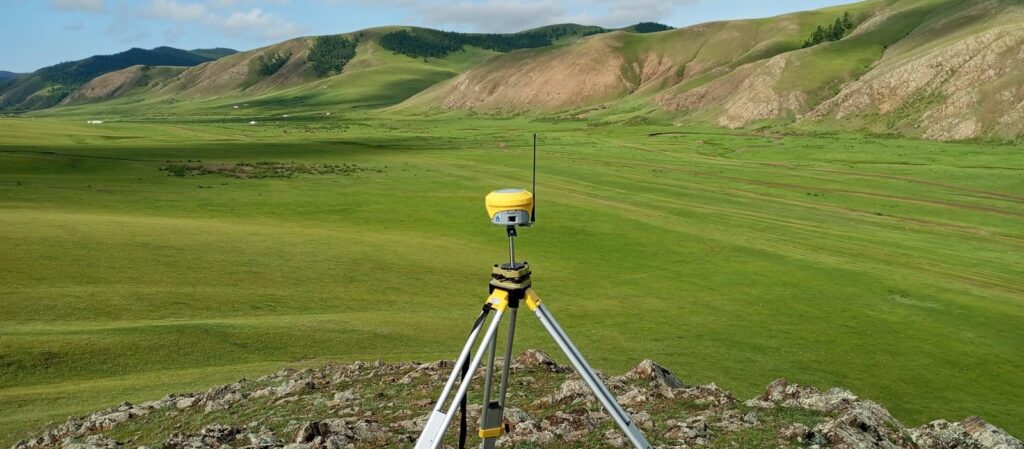
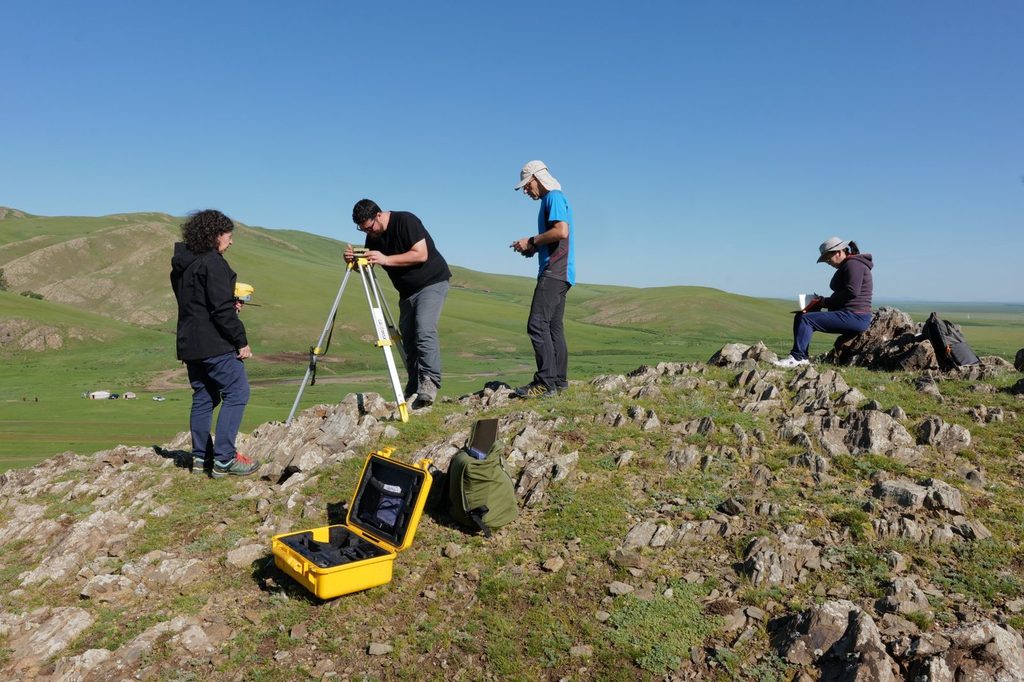
These technologies are particularly useful for studying archaeological landscapes, as they allow us to collect accurate, georeferenced data across large areas in a relatively short time. This is particularly true of fixed-wing drones, such as the one we used in our investigations in the Bayangolyn Valley.
These tools are especially valuable in a country like Mongolia, where some archaeological remains are visible on the surface, as in the case of the khirigsuurs, while others lie just below ground level.
Our survey – carried out in collaboration with the Department of Architecture and Design of the Politecnico di Torino – has provided us with detailed documentation of the archaeological features across the area under investigation, including both visible remains and traces of buried structures.
This has given us a more comprehensive picture of the archaeological landscape in the Bayangolyn Valley and provided a solid basis for planning further investigations. Such documentation is valuable not only for archaeological research, but also for the protection and management of the cultural heritage of the area.
Your research has progressed from preliminary surveys and mapping to excavations. What have the most recent fieldwork campaigns revealed, and which questions remain unanswered?
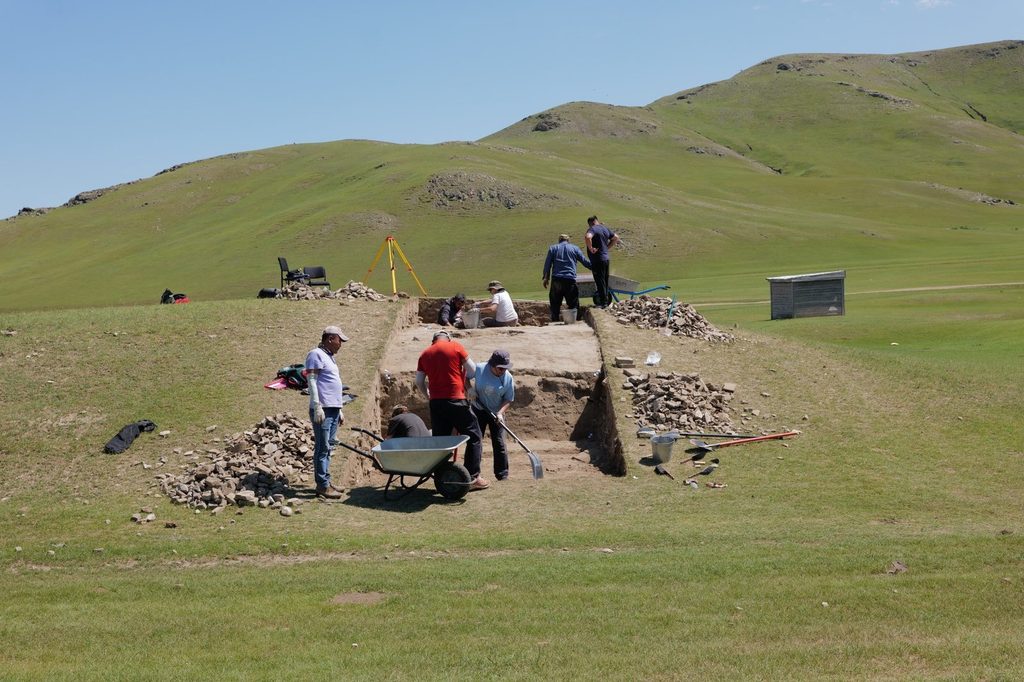
In 2025, we carried out our first excavation campaign in the Bayangolyn Valley, focusing on an enclosure located at the mouth of the valley, where a series of small mounds suggests the presence of a Mongol-period settlement.
Our aim is to contribute to a better understanding of the nature and function of this settlement. As this was our first excavation campaign, the results are still preliminary and require further study before we can draw reliable conclusions.
Several aspects of the valley’s archaeological landscape still need to be clarified, particularly the chronology and function of two large enclosures located in the lower part of the valley, south of the settlement.
We hope that our work, together with other research in the area, will help shed new light on the role of the Bayangolyn Valley throughout history.
The mission works closely with the National University of Mongolia and the Kharakhorum Museum. How does this collaboration function in practice, and how have your Mongolian partners influenced the research?
Our collaboration with Mongolian institutions is a genuine partnership at every stage of the research.
As I mentioned earlier, our fieldwork in Mongolia began following an invitation from our Mongolian partners. Together, we selected the Bayangolyn Valley as the focus of our investigations and identified the location where we started our excavation, jointly directed by Professor Erdenebat of the National University of Mongolia and myself.
At every stage of the fieldwork, Italian archaeologists and specialists from CRAST and the University of Turin work alongside colleagues from the National University of Mongolia and the Kharakhorum Museum.
Read more on Novastan: Bolor Lkhaajav: “Mongolia does not need to choose between Russia and China”
This close collaboration encourages the exchange of knowledge, experience and good practices, while also providing opportunities for hands-on training for museum staff.
Beyond archaeological research, your mission is involved in heritage education and activities with local communities. Why is this important, and how have residents, particularly younger generations, responded?
This is a key aspect of our work, as we strongly believe in the public dimension of archaeology and in the responsibility of archaeologists to share the aims and results of their research with the wider public.
Archaeological excavations, in particular, can have a significant impact on the surrounding area, especially in a country like Mongolia, where local communities maintain a strong connection to the land.
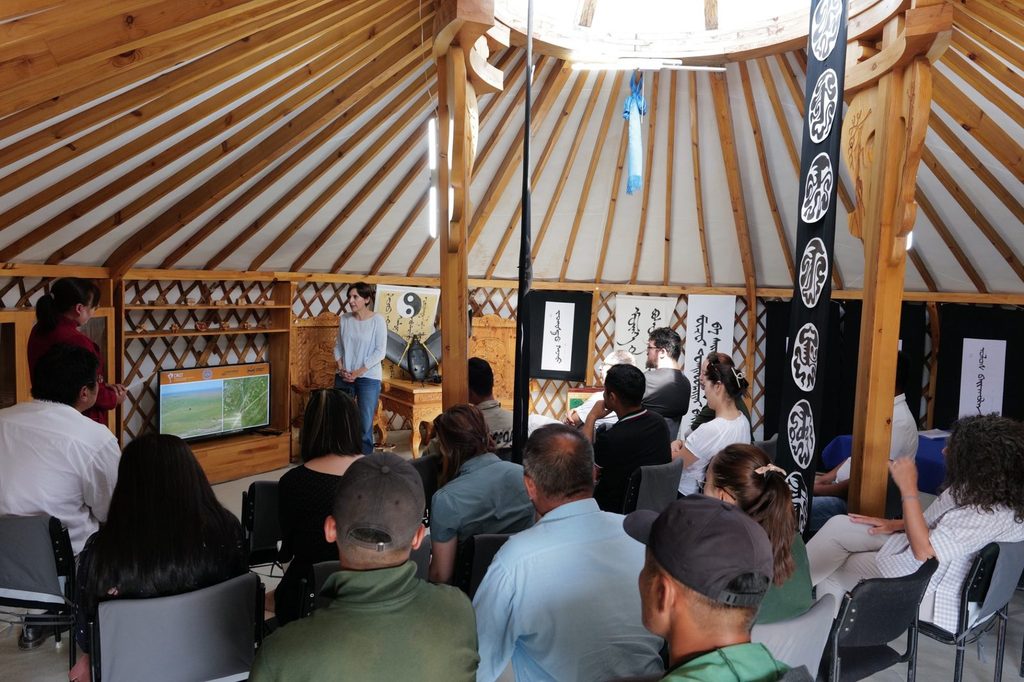
For this reason, since the beginning of our survey work in the Bayangolyn Valley in 2023, we have worked to establish a dialogue with local residents.
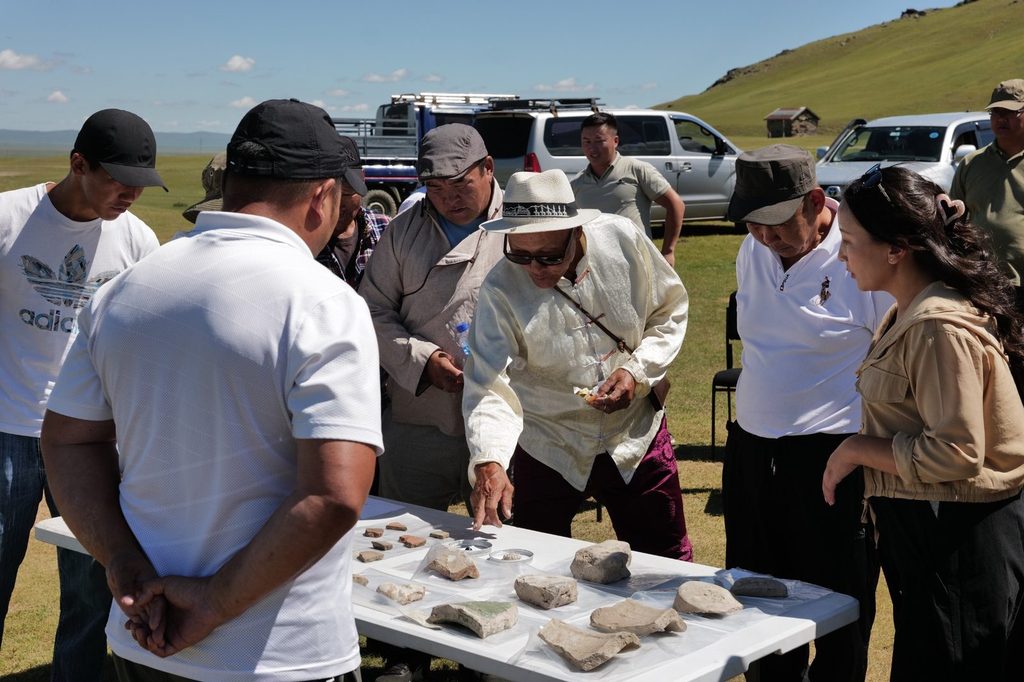
At the end of each field season, we organise meetings and excavation open days to explain the aims of our research and present its results.
We have also conducted a series of interviews with people living in the valley, which have given us the opportunity to listen to their concerns, answer questions about specific aspects of our work, and learn more about the valley through their own knowledge and memories.
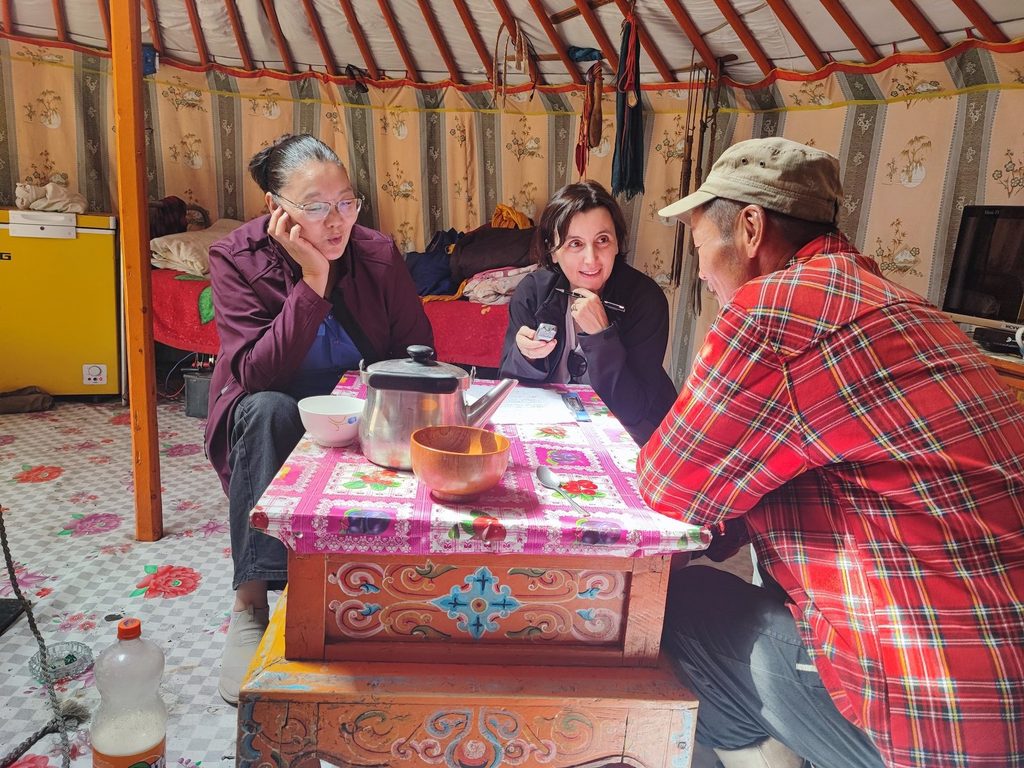
As for younger generations, educational activities developed in previous years have helped the Kharakhorum Museum expand its educational programmes for local schools.
To strengthen this connection further, we are planning a series of meetings with secondary school students in Kharkhorin in the coming months to introduce them to our work in the Bayangolyn Valley.
Finally, what do you hope the next stages of the mission will achieve? And which aspects of Mongolia’s archaeological heritage deserve greater international attention?
Beyond the scientific results of our research, I hope that our work will also contribute to making Mongolia’s rich archaeological and cultural heritage better known in Italy, where it is still relatively unfamiliar to the wider public.
Just as we believe it is important to share our research with local communities in Mongolia, we would like to extend this commitment to the Italian public as well.
By Mathieu Lemoine, Editor-in-Chief for Novastan English.