
 From Madrid to Kabul: An Afghan Diplomat on Spain, the Taliban and the Republic’s Collapse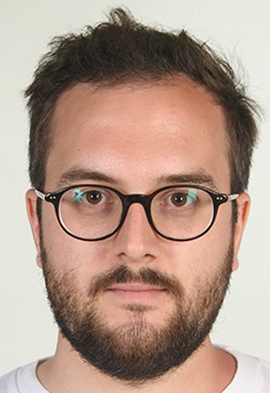
Support Novastan, the European Central Asia magazine
By supporting Novastan, you are supporting the only English, French and German-language media specialising in Central Asia. We’re independent and we need your help to stay that way!Former Afghan diplomat and political scientist Hamed Wahdat Ahmadzada, who holds a PhD in Political Science from the Autonomous University of Madrid, speaks to Novastan about building Afghanistan’s diplomatic presence in Spain, two decades of international engagement, the collapse of the Afghan Republic, Taliban rule, the Afghan diaspora and what Europe still misunderstands about his country.
When Hamed Wahdat Ahmadzada arrived in Madrid in December 2006, Afghanistan did not yet have a resident embassy in Spain.
Diplomatic relations between Afghanistan and Spain dated back to 1950, but for decades they had been handled through non-resident embassies. Following the fall of the first Taliban regime and the establishment of Afghanistan’s interim government, the two countries moved towards establishing permanent diplomatic representations in each other’s capitals.
Ahmadzada was selected as the first resident Afghan diplomat in Spain because of his previous studies at Madrid’s Diplomatic School, his knowledge of Spanish and his familiarity with the country. He arrived at a moment when Spain was becoming increasingly involved in Afghanistan through diplomacy, its military presence, development cooperation and reconstruction.
Almost two decades later, the Afghan Republic Ahmadzada represented no longer exists. The Taliban returned to power in August 2021 after the withdrawal of US and allied forces.
Ahmadzada spoke to Novastan Editor-in-Chief Mathieu Lemoine about the relationship he helped build, Spain’s experience in Afghanistan, the achievements and failures of two decades of international engagement, the causes of the Republic’s collapse, the situation under Taliban rule and what Europe should understand about Afghanistan today.
Novastan: You were directly involved in establishing Afghanistan’s diplomatic representation in Spain after the fall of the first Taliban regime. How did this story begin and what exactly was your role? Do you remember who the key people were and the first contacts with the Spanish authorities?
Hamed Wahdat Ahmadzada: It is important to mention that diplomatic relations between what were then the Kingdom of Afghanistan and the Kingdom of Spain were established in 1950. In 1968, those relations were raised to the level of non-resident embassies. At the time, Spain handled these relations through its embassy in Tehran, Iran, while Afghanistan did so through its embassy in Paris.
Following the fall of the Taliban regime at the end of 2001 and the creation of Afghanistan’s interim government, many countries established diplomatic relations with the newly formed Afghan government. Initially, they did so through their representations in neighbouring countries such as Pakistan or the countries of Central Asia, and subsequently through the opening of resident diplomatic missions in Kabul.
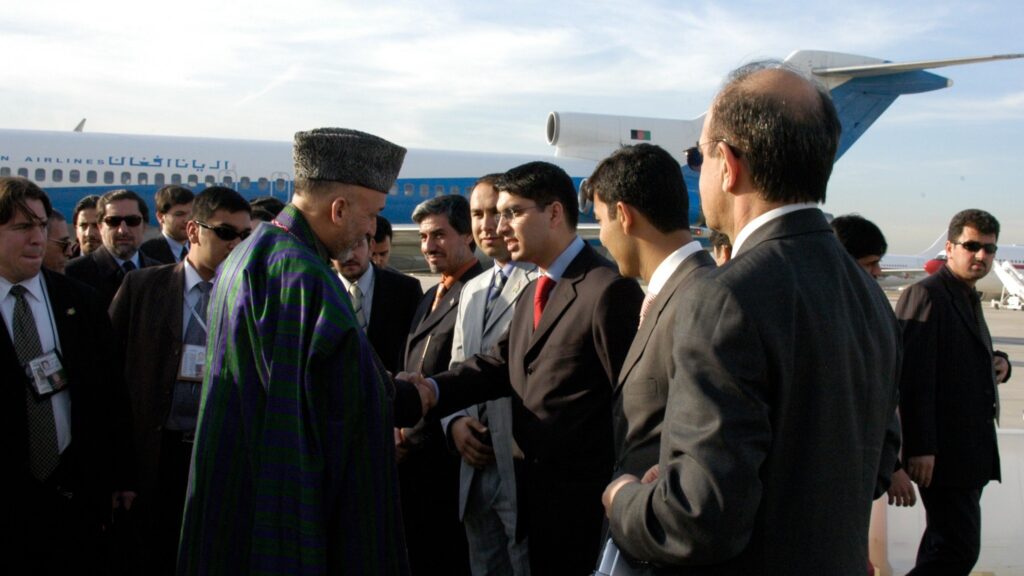
Although bilateral diplomatic relations between Spain and Afghanistan already existed, it was not until 2005 that the Embassy of the Kingdom of Spain in Afghanistan was established in Kabul. The first resident ambassador, José Turpín Molina, was appointed in March 2006.
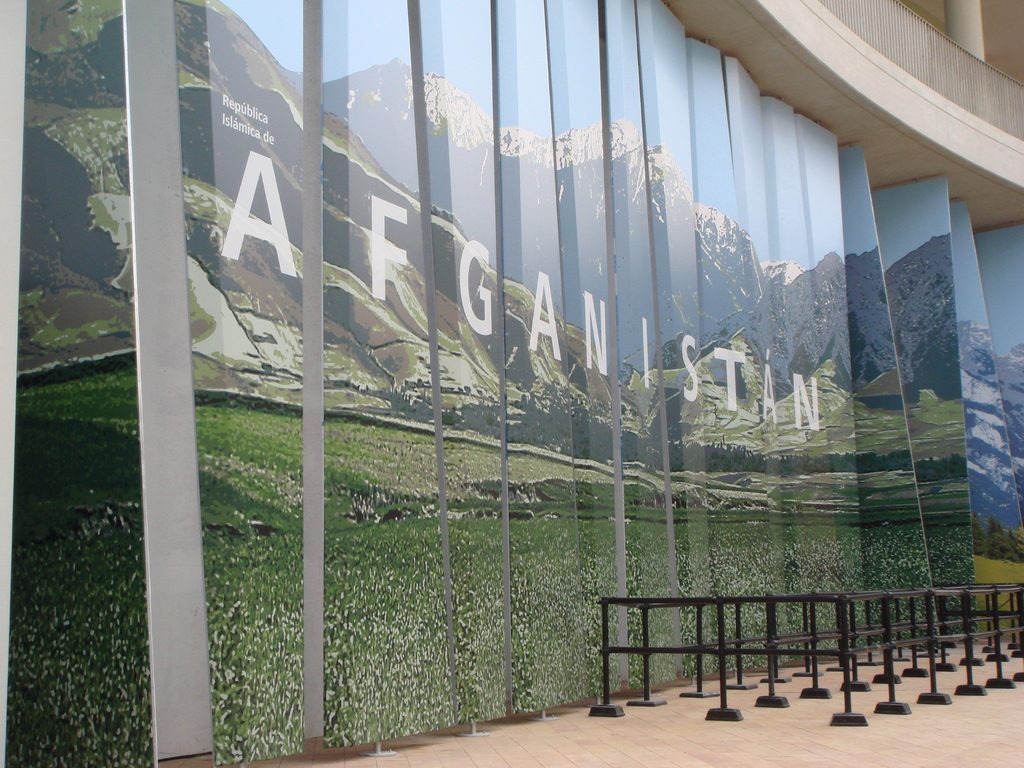
That same year, following a decision by the Afghan government, the Ministry of Foreign Affairs began the necessary procedures to establish the first Embassy of the Islamic Republic of Afghanistan in Spain.
How do you create a diplomatic representation practically from scratch? Where was it initially based, what resources did you have and what difficulties did you encounter? We would be particularly interested in an anecdote or episode from those first months that helps reconstruct how this relationship was born.
The creation of a diplomatic representation has two important phases.
The first is the preparatory phase, when the two governments make contact and express their interest in raising diplomatic relations to the level of resident embassies in their respective capitals. It should be noted that this does not have to be reciprocal: there is no requirement for both countries to establish resident embassies at the same time.
Once the approval of the receiving country has been obtained, the diplomatic and administrative structure of the representation is determined internally and the head and members of the diplomatic mission are nominated.
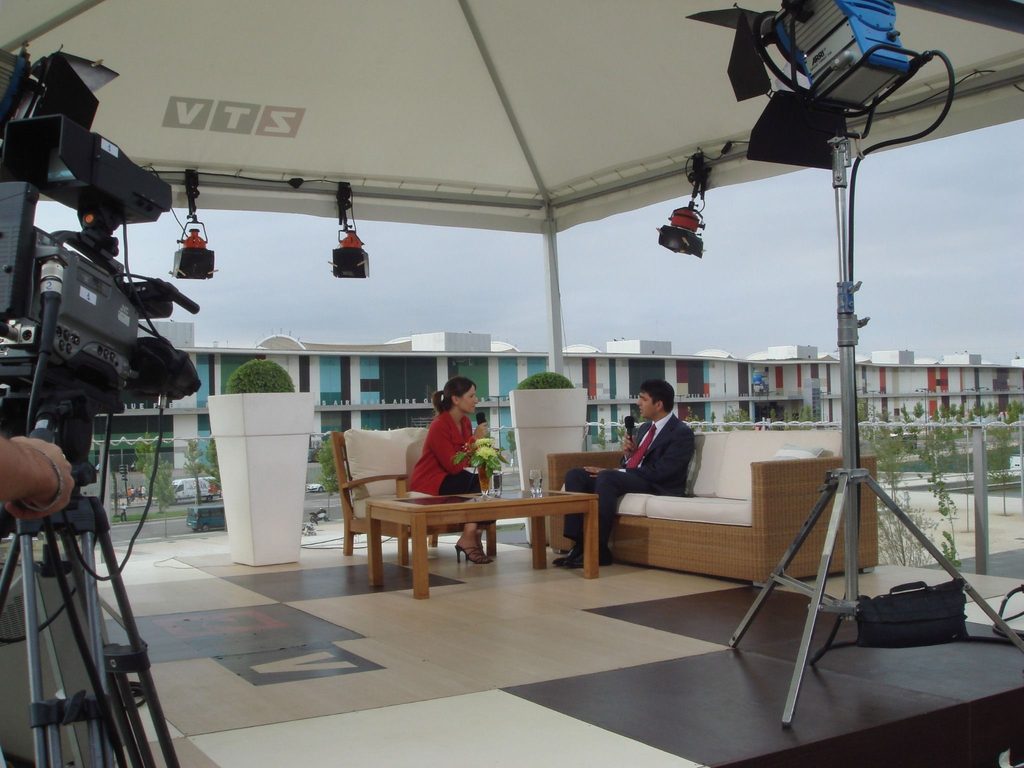
The second phase, or implementation phase, begins when the receiving country is informed of the members of the diplomatic delegation and, in accordance with the Vienna Convention on Diplomatic Relations, the relevant diplomatic visas are requested. Subsequently, following approval by the receiving country, the members of the diplomatic corps move to the new mission.
In my case, because of my academic training at the Diplomatic School in Madrid and my knowledge of the Spanish language and the country, I was chosen to be the first resident Afghan diplomat in Spain. After obtaining the relevant diplomatic visa, I arrived in Spain in December 2006 to establish initial contacts and begin the first procedures related to setting up the Afghan embassy in Madrid.
In Spain, these procedures are normally carried out with the cooperation of the Directorate-General for Protocol, Chancellery and Orders of the Ministry of Foreign Affairs and Cooperation. In our case, following the protocol meetings and initial contacts, we began the procedures for obtaining diplomatic accreditation, registering the premises and dealing with other administrative matters related to the embassy.
The great challenge was creating a new mission literally from scratch. That included finding premises, adapting them for diplomatic representation, equipping and furnishing them and, in general, creating a functioning mission in the shortest possible time.
The entire process was therefore not only complex from an official and diplomatic perspective, but also required an enormous logistical, administrative and financial effort. It meant combining bilateral diplomatic meetings with all the complexities involved in establishing and adapting premises worthy of representing a country.
In this particular case, during the first few months, the weight of all these responsibilities fell on me. But it was an enormous experience and a great honour.
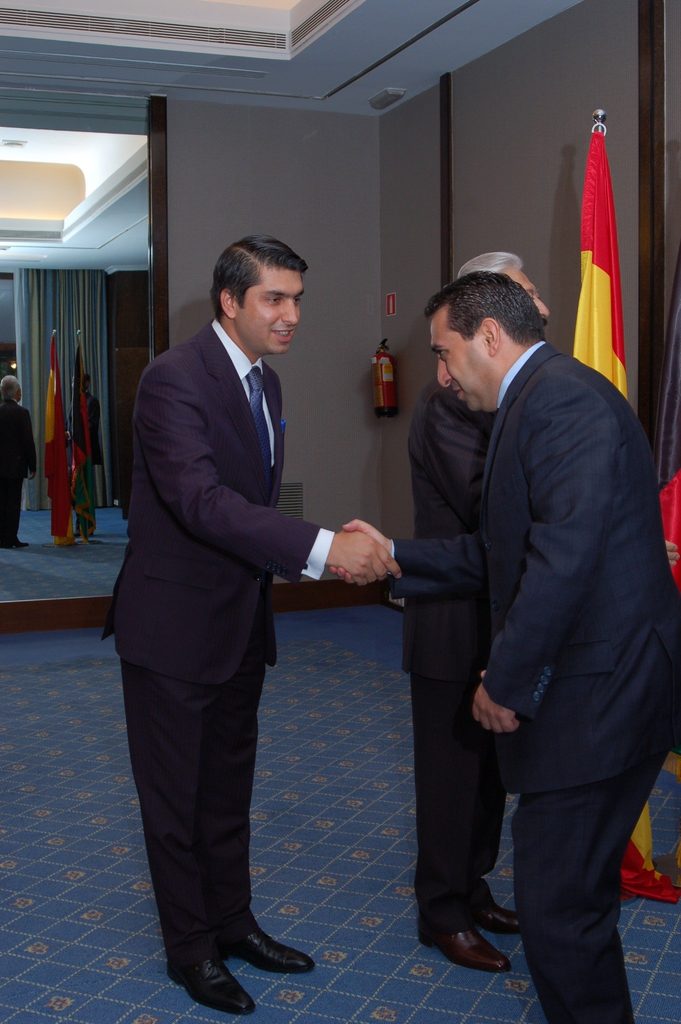
How did Spain perceive the new Afghanistan in those early years, and how did Afghanistan view Spain? From your experience, were there Spanish politicians, diplomats, journalists, development workers or other figures who played a particularly important role or understood the country especially well?
From the Spanish perspective, the new Afghanistan was initially perceived as an opportunity to contribute to the reconstruction of a state that had suffered decades of war and isolation.
Spain became involved in the international reconstruction and stabilisation effort within the frameworks of the United Nations, NATO and the European Union. The Spanish presence also gradually acquired political, diplomatic, military, humanitarian and development dimensions.
During those early years, there was considerable confidence – shared by much of the international community – that creating new institutions, holding elections, training the security forces and investing in education and development would gradually make it possible to consolidate a stable Afghan state.
Spain also developed a particularly visible presence through its participation in the International Security Assistance Force (ISAF) and especially in Badghis province, where the Spanish Armed Forces assumed significant responsibilities.
For many Afghans, therefore, Spain was not simply a European diplomatic actor, but also a country whose presence had a concrete and everyday dimension in certain regions.
As for Spanish individuals, I believe there were people from very different fields who made particularly valuable contributions. Among diplomats, those who understood that relations with Afghanistan required listening to different Afghan actors and not limiting themselves exclusively to dealing with Kabul’s central institutions were important.
Read more on Novastan: Beyond the ‘Graveyard of Empires’: Rethinking the Afghan State
That capacity for dialogue was fundamental in a country that was extraordinarily decentralised in terms of real power.
There were also journalists, researchers, military personnel, development workers and people working for humanitarian organisations who developed a profound knowledge of the country precisely because they remained on the ground for extended periods.
Spain maintained an important presence in Afghanistan for almost two decades, particularly in Badghis and Herat. From an Afghan perspective, what did the Spanish presence really mean? What do you think Spain did particularly well, and what could it have done differently?
From an Afghan perspective, Spain’s presence in Afghanistan had a much deeper significance than a purely military reading of the international intervention might suggest.
Spain arrived in Afghanistan in 2002 and, particularly after assuming responsibility in Badghis, became one of the most visible faces of the international community for many inhabitants of that province. Its presence combined security, reconstruction, development cooperation, healthcare, education and training for Afghan institutions.
In Afghanistan, direct experience was particularly important: knowing Kabul did not necessarily mean knowing Afghanistan. Someone who had worked in Herat, Badghis, Kandahar, Nangarhar or other provinces could encounter substantially different political and social realities.
In my opinion, what Spain did particularly well was, first of all, combining security and cooperation. The Provincial Reconstruction Team model in Badghis allowed military personnel, diplomats, development workers and civilian authorities to work – despite all the difficulties this involved – towards relatively concrete objectives.
The Spanish Agency for International Development Cooperation developed projects in education, healthcare, water and sanitation, agriculture, rural development and infrastructure. Achieving these objectives in difficult terrain such as Badghis was complex and extremely arduous, but the consistency and efforts of the Provincial Reconstruction Team produced results.
According to official Spanish data, schools were built for around 20,000 children, healthcare services were improved for tens of thousands of people and road access was provided to a large part of the province.
That said, from my dual perspective as an Afghan and a diplomat, I believe one of the main lessons of the international presence – including the Spanish presence – is that development and institution-building could hardly be consolidated while the armed conflict with the Taliban persisted and Afghanistan continued to be the scene of rivalries and interventions by different regional actors.
Spain made an important contribution in areas such as education, healthcare, infrastructure and local development, but these efforts took place in a context of permanent insecurity that necessarily limited their scope and sustainability.
This was compounded, in my opinion, by an insufficient understanding of the country’s real power structures and, above all, by the absence of sufficiently effective international coordination and of a genuinely common political and strategic roadmap sustained over the long term.
Afghanistan could not be understood solely through Kabul and its formal institutions. It was necessary to take into account provincial and local dynamics, communities, traditional and religious leaders, social and family networks, as well as the regional dimension of the conflict.
I therefore believe that, had there been a more coherent and coordinated international strategy, a sustained long-term commitment, greater attention to regional dynamics and a more effective political response to the conflict with the Taliban, the conditions for consolidating Afghan institutions and making the progress achieved sustainable would have been significantly different.
Ultimately, I do not believe the Spanish experience can be judged solely by the final outcome of 2021. The concrete progress it produced must be recognised, but so must the extraordinarily complex political, military and regional environment in which it took place and which profoundly conditioned its results.
Beyond political and military decisions, is there a particular project, place, encounter or human story that, for you, especially symbolises the relationship between Spaniards and Afghans during those years? We are also interested in initiatives or individuals who were important in Afghanistan but are little known in Spain today.
First of all, I wish to pay heartfelt tribute to and honour the memory of all the Spanish soldiers who lost their lives while carrying out their mission in Afghanistan. Their dedication and sacrifice are testimony to Spain’s commitment to peace, stability and international security.
That said, I believe all the projects that were carried out had a direct impact on the everyday lives of Afghan citizens, whether in terms of their security and humanitarian assistance or through important projects involving drinking water, the construction of schools and support for health centres.
If I had to highlight one in particular, it would be the Spanish military field hospital established during the early years at Bagram Air Base, north of Kabul.
The hospital did not only treat personnel from the international forces. During those first months and years, it also treated very serious medical cases, and this service reached a population in great need in the surrounding villages and communities.
I personally had the opportunity to see the extremely important work they were doing. I would like to highlight the dedication, patience and effort of every member of that hospital.
I should also mention that, subsequently, with the establishment of Spain’s Provincial Reconstruction Mission in Badghis, the hospital was transferred to Herat Air Base, where it continued its important work.
Regarding the people who played an important role in developing bilateral relations, in the diplomatic sphere I must highlight Ambassador Juan Manuel López Nadal, who was the first high-ranking resident Spanish diplomat to arrive in Afghanistan in 2002 as part of the European Union mission.
In addition to representing the Spanish Presidency of the European Union, he played a significant role in strengthening the bonds of friendship between the two countries and paving the way for the subsequent establishment of the Spanish Embassy in Afghanistan.
I would also highlight Ambassador José Turpín Molina, who arrived in Afghanistan and subsequently established the first Embassy of the Kingdom of Spain in Kabul.
With his extensive knowledge of the region, great diplomatic ability and pragmatism, Ambassador Turpín became one of Europe’s major points of reference on Afghanistan.
From my perspective, at the diplomatic level of bilateral relations between Afghanistan and Spain, Ambassador Turpín left an indelible and enduring mark.
I therefore highlight the role of these two diplomats because of the challenge they faced in building strong relations under difficult circumstances and with limited resources, while also dealing with the complexity of Afghanistan’s security situation and political landscape.
Where were you when you realised that Kabul was going to fall back into Taliban hands in August 2021, and what do you remember about those days? For someone who knew the system from within, was the collapse really a surprise, or were there earlier signs that now seem obvious?
In August 2021, I was outside Afghanistan, continuing my doctoral studies at the Faculty of Law of the Autonomous University of Madrid.
My main objective was to complete my studies and, after obtaining my doctorate in political science, return to Afghanistan and continue our collective efforts as a country.
Unfortunately, Afghanistan’s fall once again into the hands of the extremist Taliban group shattered my goals and hopes, and those of millions of Afghans who wanted to see a prosperous, safe and inclusive country.
It was, and remains, very difficult to accept that Afghanistan fell into the hands of the Taliban and that twenty years of effort, sacrifice and tremendous work by both Afghans and the international community ended in this way.
It would be a mistake to reduce everything that happened and the collapse to the events of August 2021.
Afghanistan was not lost in 20 days. The mistakes accumulated over twenty years.
Without a doubt, it was a failure of the Afghan government and its most senior officials, and it was also a failure of the international community.
I would highlight four mistakes that led to the collapse.
First, a state and military forces were built that were too dependent on external support. An Afghan army of hundreds of thousands of personnel was created, but it depended enormously on the United States and its allies for intelligence, air support, logistics, maintenance, contractors and financing.
When that support decreased considerably during the final years of the Republic and the structure sustaining and supporting it disappeared, the forces were extremely weakened, which helped the Taliban occupy more territory.
Second, corruption and a lack of institutional legitimacy. Billions of dollars were allocated to Afghanistan, but this did not always succeed in building a state that the population perceived as effective, close to them and legitimate. There was corruption, clientelism and parallel power structures.
Third, Pakistan. For years, the Taliban were being fought inside Afghanistan while certain insurgent structures could find support networks and places of refuge on the other side of the border. This was a strategic contradiction that was difficult to sustain.
Fourth, the Doha agreements. The United States negotiated directly with the Taliban and established a timetable for withdrawal. The Afghan government was extraordinarily weakened and sidelined in the negotiations.
The message received by a large part of the elites, governors, commanders and members of the security forces was very simple: the United States is leaving; the Taliban are staying.
From that point onwards, what began was not only a military collapse, but a psychological collapse of the state.
It can therefore be said that the problem was not simply how the United States and NATO left Afghanistan. The problem was the series of steps that were taken and that fed this sense of collapse and abandonment.
More than five years after the Taliban’s return, how do you assess Spain’s and the European Union’s policies towards Afghanistan? Where should the balance lie between political pressure, assistance to the population and pragmatic dialogue with the de facto authorities?
Spain, because of its diplomatic experience and history of cooperation with Afghanistan, has pursued a particularly useful and pragmatic policy towards the country.
Following the evacuation of thousands of Afghans after the collapse of the regime in 2021, Spain has maintained its support for Afghan civil society and women. Through various platforms, it has reaffirmed its support for human rights and women’s rights in Afghanistan.
Spain and the European Union are aware that keeping channels of communication open in Afghanistan does not mean accepting the existing situation. It means retaining the ability to influence, understand dynamics on the ground and more effectively defend the interests of the Afghan population and regional stability.
That said, from my point of view, we have seen that over the past five years there has been no change in the Taliban’s position and that they have shown no flexibility regarding women’s rights.
Read more on Novastan: “I survived things. But I also built things”: Nilofar Ayoubi on Afghan women, exile and resistance
In August 2021, many believed that the Taliban would need to change in order to obtain international recognition. Five years later, we are seeing numerous international actors progressively adapting their policies to the Taliban’s continued presence in power.
That is probably the Taliban’s great strategic victory – and a major concern for most Afghans.
In 2021, the world was asking how to change the Taliban. In 2026, it is beginning to ask how to live with them.
This change sums up much of what has happened in Afghanistan over these five years.
It is a worrying and deeply alarming situation.
The situation of Afghan women and girls has become one of the central issues since 2021. What can Spain and Europe do that is genuinely useful under the current circumstances? Are there Afghan individuals, organisations or initiatives that, in your view, deserve much more support or visibility?
The situation of Afghan women and girls is probably one of the greatest humanitarian and human rights challenges of our time.
Five years after the Taliban’s return, Afghanistan remains the only country in the world where girls and women are, in practice, prohibited from continuing their secondary and higher education. According to UNICEF, more than 2.6 million girls have been deprived of secondary education since 2021.
In Afghanistan today, educational and professional prospects and opportunities for social participation are non-existent for women.
The Taliban have had five years to institutionalise repression against women. We are no longer dealing with an insurgent movement attempting to control territory. We are dealing with a state apparatus that uses decrees, institutions, religious police and administrative structures to impose its radical vision on society.
Faced with this reality, I believe Spain and Europe must maintain a firm position in defence of the rights of women and girls, but at the same time they must ask how that position can be translated into concrete results.
Diplomatic pressure is necessary, but on its own it is not sufficient.
I believe the European Union and Spain can play a particularly constructive role. Spain has extensive experience of cooperation, diplomacy and presence on the ground and maintains important human and institutional ties with Afghan society.
Spain should use that experience to defend the rights of women and girls, but also to amplify the voices of Afghan women themselves and facilitate access for their organisations to funding, international networks, education and opportunities.
As for Afghan individuals, organisations or initiatives that deserve greater attention, support or visibility, from my point of view every initiative, both inside the country and in the diaspora, is extremely important in the struggle against the repression witnessed and suffered by women and girls in Afghanistan.
That said, there are Afghan initiatives that, in my opinion, deserve much greater international attention and support because of their ability to keep avenues for education and autonomy open for women and girls under extraordinarily difficult circumstances inside the country.
I would highlight, for example, the work of Learn Afghanistan, an Afghan-led organisation that maintains community and digital education programmes for girls in different provinces of the country.
I also consider the work of Afghanistan Education Action important. Following the ban on secondary education for girls, it launched the Herat Online School and subsequently other educational initiatives aimed primarily at Afghan women and girls.
Beyond financial assistance, I believe these initiatives need something equally important: visibility, institutional connections and sustained long-term support.
There is something I consider fundamental: we should not speak about Afghan women solely as victims, but also as agents of change.
The international community should listen to them more, place greater trust in their abilities and provide them with the resources they need to continue doing inside Afghanistan what, in many cases, circumstances prevent them from doing formally.
The objective should not be to speak on behalf of Afghan women, but to contribute to their ability to recover their rights and their capacity to speak and decide for themselves about their future.
How has the Afghan community in Spain changed since you arrived in the country? Who made up that first community and who makes it up today? We would also be interested in examples of Afghans in Spain – academics, entrepreneurs, artists, journalists, activists or others – whose trajectories you find particularly interesting.
When I arrived in Spain, the Afghan community was still relatively small and, compared with the current situation, had a fairly discreet presence in Spanish society. However, it was not a new community. There were already Afghan individuals and families who had been living in Spain for years, even decades.
That community in the mid-2000s also reflected Afghanistan’s recent history. There were people who had arrived in Spain as a consequence of the conflicts that began in the 1970s and 1980s, others who had left during the war following the arrival of the mujahideen and the first Taliban regime, and others who had come for professional, academic or family reasons.
It was therefore a relatively small community, but one with very diverse trajectories and experiences.
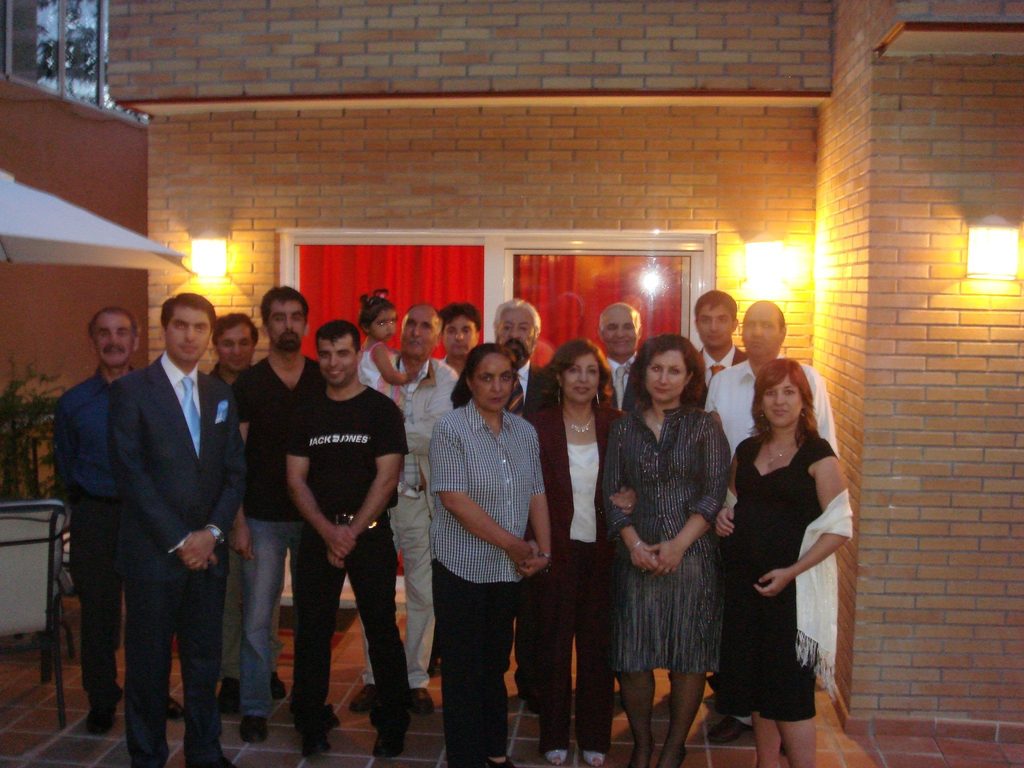
During the years after my arrival, particularly between 2006 and 2021, I watched that community gradually grow and change.
Afghanistan also acquired a greater presence on the Spanish agenda as a result of Spain’s participation in the international mission, development cooperation and the growing institutional relationship between the two countries.
This also increased the number of Afghans connected to Spain for professional, academic, diplomatic and cooperation-related reasons.
But the most profound change came after August 2021. The fall of Kabul and subsequent deterioration of the situation in Afghanistan led to the arrival in Spain of thousands of Afghan citizens.
They included former Spanish collaborators, civil servants, journalists, female judges and prosecutors, professors, activists, students, professionals and their families. Spain evacuated more than 3,000 Afghan citizens during the 2021 evacuation operation.
This considerably transformed the profile of the community.
Today, on the one hand, there are individuals and families who have been in Spain for several decades; on the other, there is a second generation of Afghans who were born or educated here and have a very natural relationship with Spanish society; and finally, there is a new generation that arrived mainly after 2021 and includes very diverse professional and academic profiles.
I think it is important not to define this community solely from the perspective of refuge. Afghans living in Spain are also entrepreneurs, academics, researchers, professionals, journalists, artists, athletes and activists. Many are actively contributing to Spanish society.
There are several examples that I find particularly representative.
Shapiry Hakami is one of them. Her trajectory predates even my arrival in Spain: she has been connected to Madrid since the 1980s and in 2000 founded the Association for Afghan Women (ADMAF). Her work is an example of how Afghan women living in Spain were already creating spaces of support and raising awareness about Afghanistan long before the 2021 crisis.
Among those who arrived after 2021, I would highlight Nilofar Bayat, a lawyer, athlete and activist. Her arrival in Spain and subsequent career in wheelchair basketball demonstrate precisely that those who arrived as refugees should not be viewed solely through a humanitarian lens. They are also professionals with abilities, education and projects of their own.
I would also highlight Muzhda Hotak, an Afghan lawyer and activist living in Spain, whose trajectory reflects the efforts of many Afghan professional women to rebuild their lives and maintain their commitment to women’s rights after leaving Afghanistan.
In Catalonia, Bashir Eskandari represents another interesting dimension of this community. A writer, poet, IT specialist and activist, he arrived in Spain in 2010 and has developed an important part of his career in Barcelona, also working in the associative and cultural spheres.
He is a good example of people who have built their lives in Spain while at the same time acting as a bridge between Spanish society and the Afghan community.
It should also be mentioned that, following the arrivals of 2021, the Association of Afghan Women in Spain (AMAE) was created. It is chaired by Sunita Naseer Tarin, who, together with other Afghan women from different professions, works to give Afghan women a voice from the diaspora.
But perhaps the most interesting aspect is not only the individual names, but the collective transformation.
When I arrived in Spain, the Afghan community was relatively small and many Spaniards had very limited knowledge of Afghanistan. Today there is a much larger, more diverse and more visible community, as well as a generation of young Afghans who have studied in Spain, speak perfect Spanish and participate in very different professional, academic and cultural spheres.
The perception of the community itself has also changed. Before 2021, many people associated Afghanistan primarily with the conflict and the international presence.
After 2021, Spanish society became much more directly acquainted with the personal stories of Afghans who arrived in the country, particularly professional women, journalists, activists and students who were forced to leave their country.
From my perspective, this evolution demonstrates that the Afghan community is already part of Spanish society.
For precisely that reason, I think it is important that the debate should focus not only on reception and protection – which remain fundamental – but also on professional, academic, cultural and entrepreneurial integration.
Spain has an opportunity to make use of all this human capital.
There are people who know Afghanistan, the region, its languages and its social and cultural structures deeply and who have also acquired education and experience in Europe.
That combination can be very valuable for Spain, both in understanding Afghanistan better and in maintaining links with Afghan society even under the current circumstances.
Ultimately, the community I knew when I arrived in Spain and the Afghan community that exists today are quite different in size, diversity and visibility.
But there is also an important continuity: generation after generation, these are people who have tried to build a dignified life in Spain without necessarily losing their connections with Afghanistan.
I believe that combination – integration in Spain and preservation of an identity and cultural connections of their own – is probably one of the most interesting characteristics of the Afghan community today.
Spain welcomed former diplomats, officials, journalists, human rights defenders and other Afghan professionals after 2021. How are they rebuilding their lives, and do you think Spain and Europe make sufficient use of their knowledge and experience? What role could this diaspora play in Afghanistan’s future?
Spain made an important effort after 2021 to welcome Afghan citizens who had worked with Spain and other Western countries.
They included former diplomats and civil servants, journalists, academics, professionals, human rights defenders and their families.
Many have managed to rebuild their lives, although transferring their qualifications, experience and professional careers to Spain is not always easy, and some have had to start practically from scratch.
I believe Spain and Europe have made an important effort in terms of protection and reception, but there is still considerable room to make much better use of this human capital.
These people do not only need protection. They also possess deep knowledge of Afghanistan, its institutions, its society and regional dynamics.
That knowledge can be very useful to universities, research centres, international organisations, development cooperation and also to the formulation of European policies towards Afghanistan.
Looking to the future, the diaspora can play a fundamental role as a bridge between Afghanistan and Europe.
It can contribute to preserving Afghan human capital, maintaining links with civil society and, when circumstances permit, participating in the country’s institutional, educational and economic reconstruction.
In particular, maintaining and developing the capacities of Afghan women professionals is essential, because they represent a crucial part of the human capital that Afghanistan will need to recover.
We should therefore move from considering the diaspora solely as recipients of protection towards seeing it also as a partner and an asset for Spain, Europe and Afghanistan’s future, as well as for relations between Afghanistan and Europe.
If a reader in Spain wanted to understand Afghanistan better, whom would you recommend following, reading or listening to? We are particularly interested in researchers, professors, journalists, former diplomats, media outlets, NGOs, Afghan associations or Spanish initiatives doing valuable work on Afghanistan, even if they are little known.
If someone in Spain wanted to understand Afghanistan better, I would recommend not relying on a single source.
Afghanistan is far too complex a reality to understand solely through politics, security or the situation of women.
We also need to listen to those who know the country from within and, above all, those who have spent many years studying it or working on the ground.
Among Spanish journalists, Mónica Bernabé is, in my view, an essential reference. She lived in Afghanistan between 2006 and 2014, was a correspondent for El Mundo and has maintained a very close relationship with the country for more than two decades.
Her books Afganistán: crónica de una ficción and Crónica de un fracaso. Afganistán, la retirada are particularly interesting because they combine direct experience, journalism and a critical perspective on the international intervention.
I would also recommend Ángeles Espinosa, a journalist with a long career specialising in the Middle East and the Islamic world. Her experience as a correspondent and knowledge of the region make it possible to place Afghanistan within a broader regional context and better understand the political and social dynamics affecting the country.
Another particularly interesting reference is Pilar Requena, an RTVE journalist and reporter who has worked on international conflicts for decades and has devoted particular attention to Afghanistan.
Her book Afganistán is highly recommended for anyone wishing to approach the country through journalism and from a perspective based on years of experience.
In the academic sphere, I would highlight the publications and activities of the Research Group on Iranian Peoples (GEPI) at the Autonomous University of Madrid.
Its main objective is the study of the extensive geographical area of the Middle East and Central Asia encompassing all or a significant part of the present-day states of Afghanistan, Tajikistan, Iraq, Iran, Syria, Turkey, Turkmenistan, Uzbekistan and Pakistan.
The group is clearly interdisciplinary and includes historians and art historians, anthropologists, philologists, political scientists and architects, among others, from countries on different continents.
Its areas of study are therefore extremely diverse and include cultural, social, religious, historical, political, literary and visual aspects.
I would also recommend the publications of Professor José Miguel Calvillo Cisneros, a specialist in international relations and cooperation whose academic career includes sustained work on Afghanistan.
His work on the country helps us understand Afghanistan’s political, historical and social evolution within a broader international context.
I would also recommend the work of Félix Arteaga, a senior analyst at the Elcano Royal Institute, who has analysed Spain’s participation in Afghanistan, the transition and issues of security and governance for many years.
To complement these perspectives, I would recommend consulting the work of the Elcano Royal Institute and the Spanish Institute for Strategic Studies (IEEE).
Both have published analyses for many years on Afghanistan, regional security, terrorism, governance, cooperation and international involvement.
Ultimately, if I had to give one piece of advice to someone who genuinely wanted to understand Afghanistan, it would be simple: Afghanistan cannot be understood solely through current affairs.
You need to know its history, its society, its power structures and its regional environment.
Only by combining these perspectives can we begin to approach the country’s real complexity.
The image of Afghanistan in Europe is inevitably dominated by war, the Taliban and humanitarian crises. If you could show our readers another Afghanistan, what would you show them? It could be a city, a region, a tradition, a memory, a literary work, a film, a filmmaker, a musician, an artist or simply something from everyday life that you consider essential to understanding the country.
If I could show readers another Afghanistan, I would begin by asking them to try to imagine the country beyond the images of war that normally reach Europe.
Afghanistan is not only a conflict, nor can it be reduced to the Taliban.
It is also a society with a millennia-old history, enormous cultural and linguistic diversity and an extraordinary capacity for resilience.
I would show them Kabul, a place of encounter, crossroads and coexistence. Balkh, the city of Maulana Rumi. And Herat, which is probably one of the cities that best represents this other Afghanistan.
Its architecture, ancient mosques and literary and artistic traditions show an Afghanistan deeply connected with culture, knowledge and exchange between civilisations.
Herat allows us to understand that Afghan history is much older and richer than the history of the past forty years of conflict.
I would also show them Bamiyan, not only because of the Buddhas that were destroyed, but because of what its landscape and history represent.
It is a place where different cultures, religions and historic routes of Central Asia intersect.
There, one understands that Afghanistan has for centuries been a meeting place between peoples and civilisations.
But perhaps I would show something even simpler: the everyday life of an Afghan family.
A shared meal, tea, hospitality towards a guest, a conversation between friends, a wedding, the celebration of Nowruz, markets, children playing or a family gathered around a table.
These are apparently small things, but they help us understand a society that, despite decades of conflict, has maintained very strong family and community structures.
I would also show the country’s enormous diversity.
Afghanistan is not a homogeneous reality. There are Pashtuns, Tajiks, Hazaras, Uzbeks, Turkmens, Baloch and other communities, with their own traditions, languages and ways of understanding life.
That diversity is fundamental to understanding both the country’s richness and many of its political complexities.
I would talk about its literary culture.
Afghanistan has produced great poets and writers, and poetry occupies a very special place in Afghan culture.
Rumi, although he was born in Balkh and his figure today belongs to several cultural traditions, is perhaps one of the best examples of Afghanistan’s historical connection with the world and with an intellectual tradition that transcends today’s borders.
I would also recommend exploring Afghan music, because it reflects precisely this mixture of influences.
Traditional music, the rubab, popular songs and the tradition of sung poetry form part of a cultural identity that remains alive even under extremely difficult circumstances.
If I had to summarise it in a single image, I probably would not choose a monument.
I would choose an Afghan family offering tea to a visitor who has just arrived at their home.
For me, that simple scene contains an essential part of Afghanistan: hospitality, the importance of family, the relationship with the community and the ability to maintain a normal life even after decades of conflict.
I believe showing this Afghanistan is important because it allows us to understand that behind the statistics, conflicts and political images there is a society with its own history, culture and aspirations.
Understanding that is also fundamental for anyone who genuinely wants to understand Afghanistan today.
What remains today of the relationship between Afghanistan and Spain that you helped build, and how do you imagine its future? If it became possible to begin a new period of cooperation in ten years, what should Spain preserve from the experience of 2001-2021, and what mistakes should it avoid repeating?
I believe that, despite the political rupture of 2021, quite a lot remains of the relationship Spain built with Afghanistan during those two decades.
There are human, professional and institutional ties, a much larger Afghan community in Spain and, above all, the knowledge accumulated by Spanish diplomats, military personnel, development workers, academics and organisations that worked in the country for years.
Spain participated in the international mission for twenty years and also developed projects in development cooperation, education, healthcare and infrastructure.
Today, the relationship is necessarily different.
Spain does not recognise the current de facto authorities and maintains its commitment primarily through humanitarian assistance and support for the Afghan population, particularly women and girls.
But that does not mean the connection with Afghan society should disappear.
If a new period of cooperation were to open in several years’ time, I believe Spain should preserve, above all, the human relationships and knowledge accumulated during those twenty years.
It should also retain the experience acquired in areas such as education, development cooperation, healthcare, institutional training and relations with local communities.
At the same time, lessons should be learned from the mistakes.
One of them, in my opinion, was that for too long the international community worked with an approach excessively centred on formal institutions and Kabul.
Another aspect that would need to improve is coordination and long-term vision.
Afghanistan suffered for decades from persistent conflict, interventions by different countries in the region and a succession of international strategies that were not always sufficiently coordinated or based on a common and sustainable roadmap.
If another opportunity opens one day, therefore, I do not believe it should simply consist of repeating what was done between 2001 and 2021.
It should be more realistic, gradual cooperation adapted to Afghan conditions, with a greater role for Afghans themselves and their diaspora.
There is something I believe Spain should never lose: the human relationship built during those years.
The Spanish soldiers, diplomats, development workers, teachers and professionals who worked in Afghanistan left personal ties that transcend political changes.
That human capital and shared memory could be precisely one of the foundations on which to build a future relationship between the two countries.
Finally, on a more personal note: after having lived through an important part of this history, what would you like Spaniards and Europeans to understand about Afghanistan that they still do not understand sufficiently? And what question about Afghanistan do you wish journalists would ask you more often, but almost never do?
After so many years living and working in Spain, and having had the opportunity to closely experience an important part of the relationship between the two countries, perhaps what I would most like Spaniards and Europeans to understand is that Afghanistan cannot be explained solely through its conflicts or the events of recent years.
Afghanistan has an extraordinarily complex history, society and cultural diversity.
There are different communities, languages, traditions, family structures and forms of social organisation that are enormously important to understanding how the country works.
I would also like people to understand that Afghans are not only victims of war, refugees or people who need assistance.
Afghanistan has professionals, academics, entrepreneurs, journalists, artists, students and citizens who want to build their own future.
Even under the current circumstances, there is an Afghan society that continues to think, create, work and try to preserve its aspirations.
There is something I consider particularly important: understanding Afghanistan requires listening more to Afghans themselves.
That does not mean that we all share the same opinion – Afghan society is very diverse – but any analysis of its future should incorporate much more local knowledge and the experiences of those who have lived there.
If I had to choose one question that I wish journalists would ask me more often, but which they almost never do, it would be precisely this:
“What do Afghans themselves want for the future of their country?”
We frequently talk about what the Taliban want, what the United States wants, what Europe wants, what Pakistan, Iran or the other countries in the region want.
But we talk much less about the aspirations of Afghan society, which is not a single entity and contains different voices and perspectives.
I believe that should be one of the central questions in any debate about Afghanistan: what country do Afghans themselves want to build, and how can the international community accompany that process without attempting to replace it?
After everything that has happened over the past few decades, perhaps that is one of the main lessons we should have learned.
By Mathieu Lemoine, Editor-in-Chief for Novastan English.