


 “I survived things. But I also built things”: Nilofar Ayoubi on Afghan women, exile and resistance
Support Novastan, the European Central Asia magazine
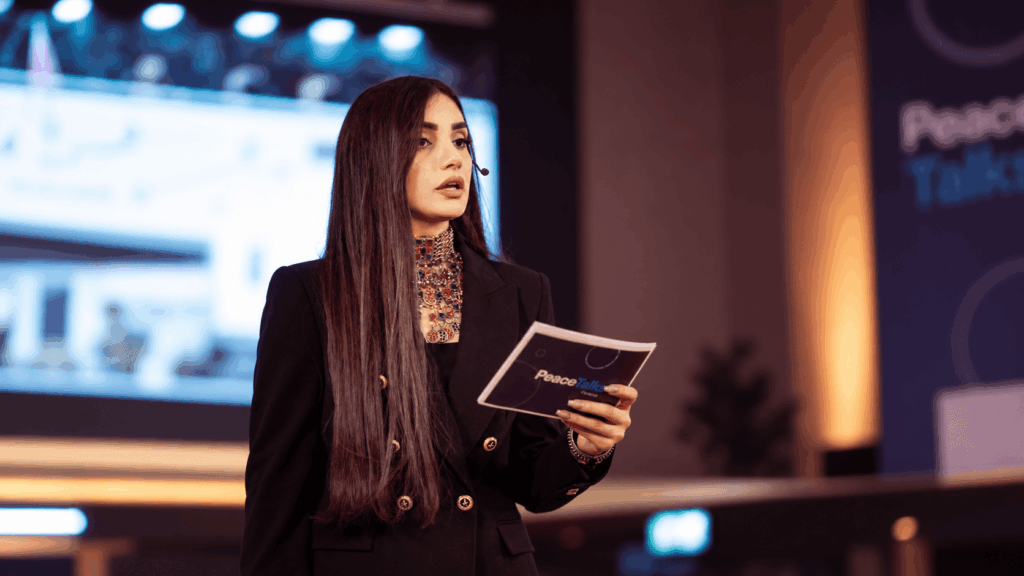
By supporting Novastan, you are supporting the only English, French and German-language media specialising in Central Asia. We’re independent and we need your help to stay that way!From growing up as a bacha posh in Kunduz to becoming an entrepreneur, journalist and women’s rights advocate, Nilofar Ayoubi has experienced the freedoms and restrictions imposed on Afghan women from unusually different perspectives. Now based in Poland, she speaks to Novastan English Editor-in-Chief Mathieu Lemoine about gender apartheid, political participation, exile, the legacy of Afghanistan’s pre-2021 media landscape and why the country should also be understood through its connections with Central Asia.
For much of her childhood, Nilofar Ayoubi lived publicly as a boy.
Growing up in Kunduz in northern Afghanistan, she became a bacha posh – literally a girl “dressed as a boy” – a practice through which some Afghan families allow daughters to assume a male social identity, often giving them access to freedoms otherwise restricted to girls. Ayoubi has previously recalled attending school, practising karate, riding bicycles and moving through public space with freedoms that disappeared when, around puberty, she could no longer continue living publicly as a boy.
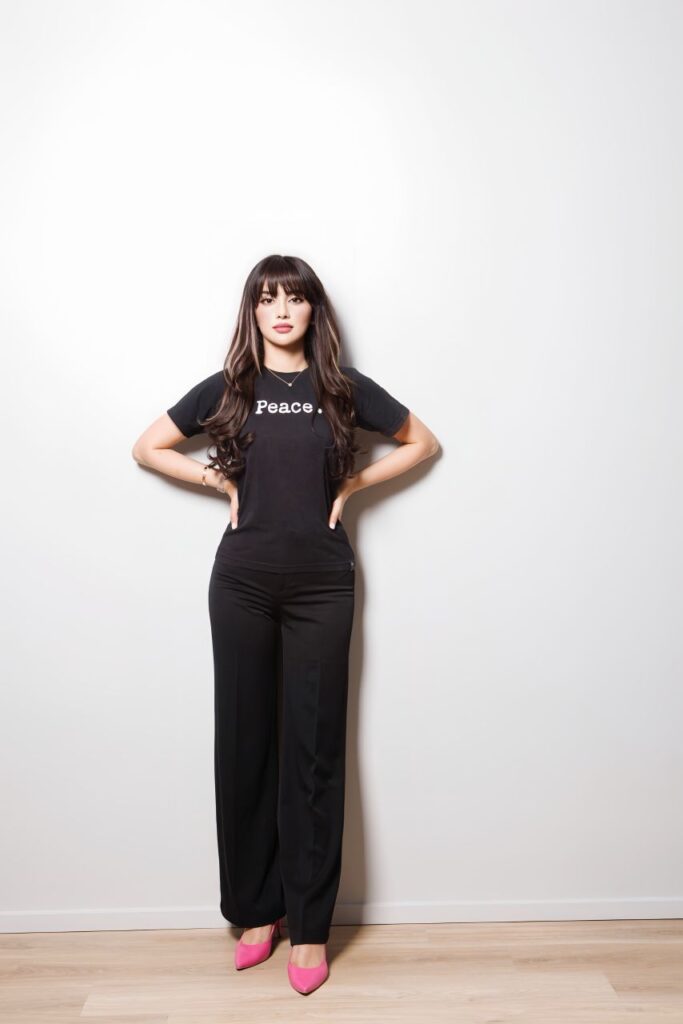
The experience would shape the political outlook that followed. Before the Taliban returned to power in August 2021, Ayoubi built businesses employing women, worked in journalism and founded the Women’s Political Participation Network in 2020, amid growing fears that women’s rights would be bargained away during peace negotiations. She also headed Asia Times Afghanistan and worked as an editor with Akhbar Afghan.
When the Taliban entered Kabul in August 2021, that public profile placed her at particular risk. On 23 August, she left Afghanistan with her husband and three young children and eventually rebuilt her life in Warsaw. She has since continued advocating internationally for Afghan women while maintaining contact with women inside the country.
Five years after the Taliban returned to power, women and girls remain excluded from secondary and university education and face sweeping restrictions on employment, movement and participation in public life. Ayoubi is among those campaigning for this system to be internationally recognised as gender apartheid.
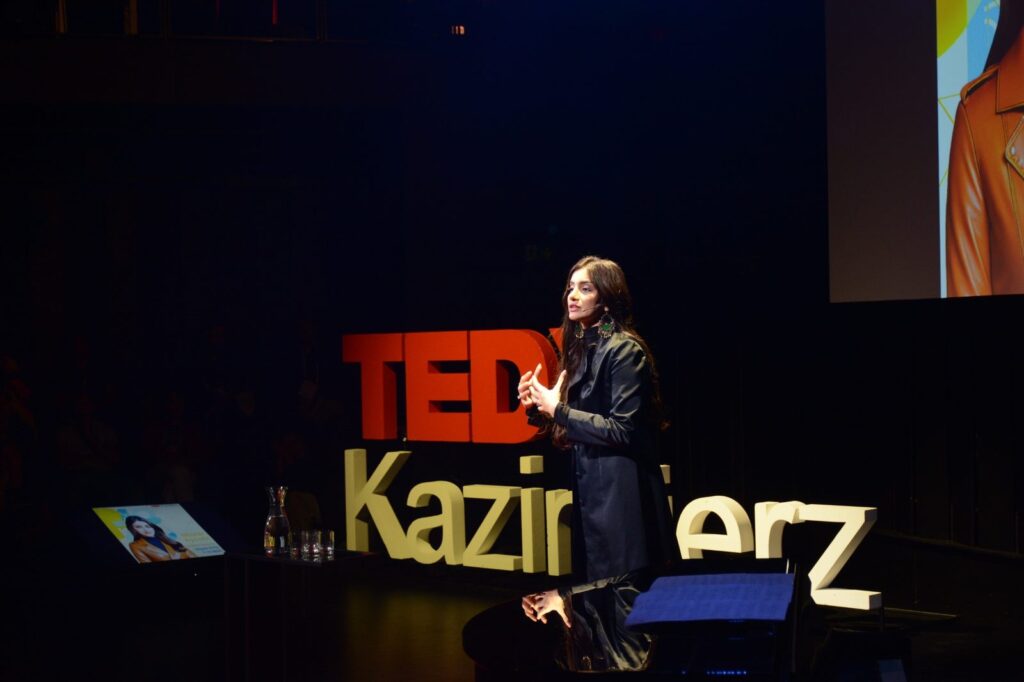
Yet she is equally insistent that Afghan women should not be understood solely through what has been done to them.
“I survived things,” she tells Novastan. “But I also built things.”
Novastan: You spent much of your childhood as a bacha posh, experiencing freedoms that were denied to girls. When you eventually had to begin living publicly as a girl, what did that transition teach you?
Nilofar Ayoubi: It taught me something very early that many people spend a lifetime trying to articulate: freedom can be determined by something as arbitrary as how society perceives your gender.
For around thirteen years, I lived as a bacha posh. As a boy, I could go to school more freely, ride a bicycle, practise karate, move through public spaces and experience a degree of independence. Then I had to return to living publicly as a girl, and suddenly the world around me became smaller.
I was the same person. My intelligence had not changed. My courage had not changed. My abilities had not changed. Only society’s perception of me had changed.
That experience shaped almost everything I later became.
It made me understand that the restrictions imposed on Afghan women were never evidence of women’s inability. They were evidence of a system deliberately limiting their possibilities.
It also taught me that freedom is not abstract. Sometimes freedom is simply being able to walk somewhere without permission. To ride a bicycle. To study. To speak loudly. To occupy space without apologising for your existence.
Once you have experienced both sides of that invisible wall, it becomes impossible not to see it.
Before 2021, you built businesses and employed hundreds of women. Did you see giving women jobs and financial independence as a form of activism?
Absolutely.
I never separated women’s economic independence from women’s rights. A woman who earns her own income gains something beyond money. She gains bargaining power inside her family, greater control over her choices, confidence, mobility and, sometimes, the ability to leave situations she would otherwise be trapped in.
That is political power at its most practical level.
In Afghanistan, I saw women with extraordinary ability who were prevented from using it, not because a law necessarily prohibited them, but because of family pressure, social expectations, insecurity, lack of childcare, restrictions on movement, harassment and the constant calculation of reputation.
Read more on Novastan: Bound by Tradition: Silent Suffering of Daughters-in-Law in Uzbekistan
This is something international discussions about women’s rights sometimes miss. Changing a constitution is important, but a progressive law does not automatically change what happens behind the door of a home.
I wanted women working with me to earn, learn and understand that their labour had economic value.
Entrepreneurship therefore became another form of activism for me. Instead of only saying that women were capable, I could create environments in which they demonstrated it every day.
And they did.
You also worked in journalism. Looking back, what had twenty years of relatively open media actually changed in Afghan society, and how much of that legacy survives today?
Afghanistan’s media sector before August 2021 was imperfect, sometimes chaotic and certainly not completely free, but its transformation was extraordinary.
A generation grew up hearing women questioning politicians on television, journalists investigating corruption, young people debating religion, governance and society, and citizens openly criticising powerful people.
That matters.
Freedom of expression does not only produce newspapers and television programmes. It changes what a society believes it is entitled to ask.
We built that culture over twenty years, often at enormous personal risk. Afghan journalists were threatened, attacked and killed long before August 2021.
Today, the institutional space for that freedom has been devastated. Women journalists have been systematically pushed out of public life, censorship and self-censorship have become pervasive, and independent journalism operates under extraordinary pressure.
But I do not believe the intellectual legacy disappeared.
You cannot expose an entire generation to debate, information and freedom of expression and then completely erase the memory of it.
The Taliban can close a newsroom. They can intimidate a journalist. They can impose restrictions on what can be published. What is much harder is making millions of Afghans forget that another reality once existed.
That memory is itself a form of resistance.
You founded the Women’s Political Participation Network shortly before the previous political order collapsed. What did Afghan women involved in the network actually want from politics?
The women I worked with did not simply want seats in rooms. They wanted influence over the decisions being made inside those rooms.
There is a very important difference between representation and participation.
Read more on Novastan: More Women in Central Asian Politics – But Where Is the Power?
Too often, women’s political participation in Afghanistan became a numbers exercise: How many women are attending? How many women are in parliament? How many women are sitting at the table?
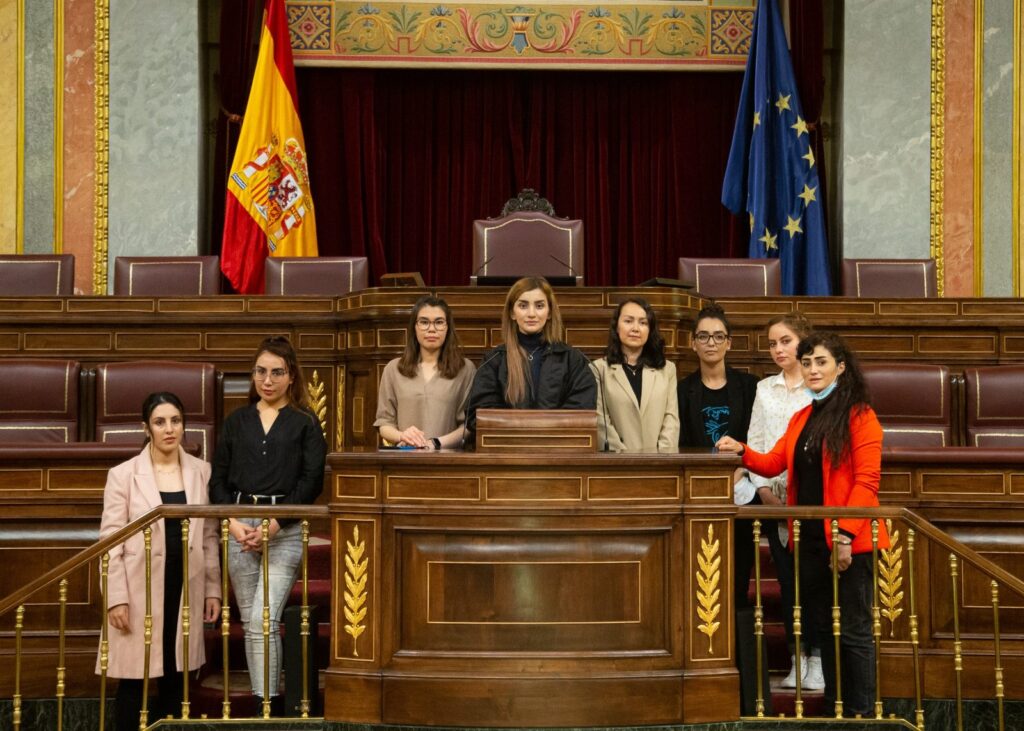
But the real question should have been: Do these women have power?
Can they influence negotiations? Can they shape budgets? Can they challenge decisions? Are women from outside Kabul included? Are younger women included? Are women from different ethnic, socioeconomic and political backgrounds represented?
Read more on Novastan: Uzbekistan: when women demand to have a voice
When we founded the Women’s Political Participation Network in 2020, the peace process was already creating enormous anxiety among women. Many could see that women’s rights were becoming negotiable in the pursuit of a political settlement.
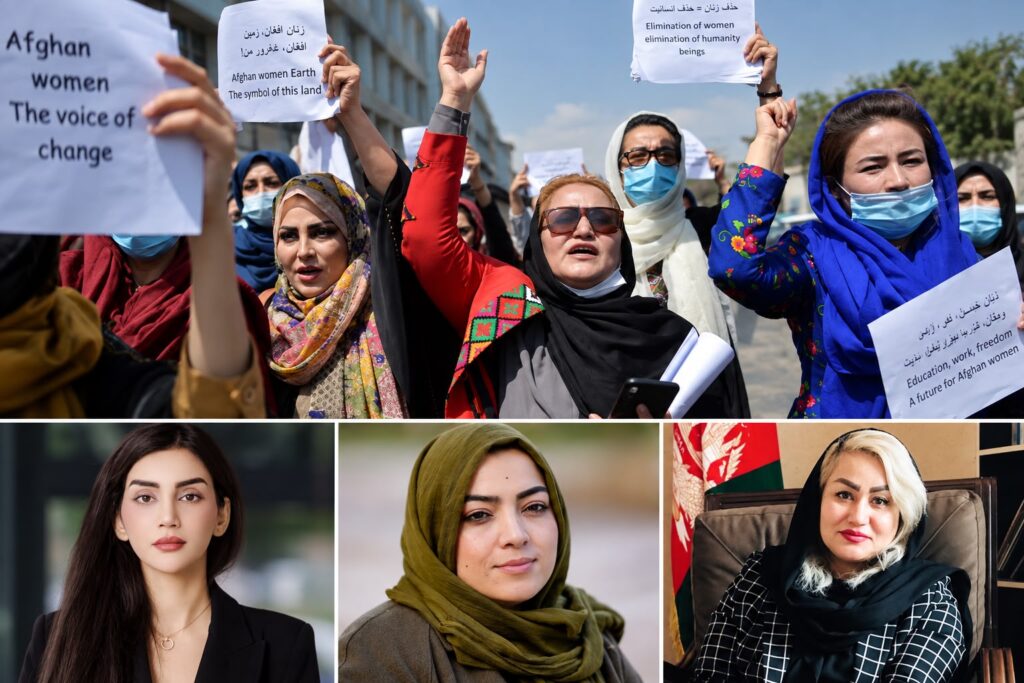
We were not asking the international community to “save Afghan women.” Afghan women had been saving themselves, organising themselves and fighting for political space for years.
We were asking not to be traded away.
Unfortunately, that distinction was not taken seriously enough.
You argue that what the Taliban have created should be recognised internationally as “gender apartheid”. Why is that terminology important?
Because words determine how the world understands a crime.
What exists in Afghanistan today is not a collection of unrelated discriminatory policies. It is a systematic architecture of exclusion based on gender.
Girls have been denied secondary and university education. Women have been pushed out of much of employment and public life. Their freedom of movement has been restricted. Their visibility in public space has been deliberately reduced. Their access to parks, gyms and many other areas of ordinary life has been curtailed.
This is not simply “conservative governance.” It is not merely a women’s-rights problem.
It is a system.
When exclusion becomes systematic, institutionalised and enforced by the state because of the sex of the person being excluded, our language must reflect the scale and nature of what is happening.
That is why I advocate for recognition of gender apartheid.
Calling it discrimination risks making it sound as though women are experiencing unequal treatment within society. Afghan women are increasingly being denied the right to participate in society itself.
The terminology also matters legally and politically. Recognition creates pressure for accountability and makes it much harder for governments to normalise relations while pretending that the systematic persecution of half the population is simply an internal cultural matter.
No government should be permitted to make women socially invisible and still expect normal diplomatic legitimacy.
You remain in contact with women inside Afghanistan. How different are those conversations from discussions about Afghanistan at international conferences?
The difference can be enormous.
At international conferences, Afghanistan is discussed through phrases such as “engagement,” “stability,” “humanitarian access,” “dialogue” and “pragmatism.”
Inside Afghanistan, the conversation is about survival.
It is about a girl watching another academic year disappear. A woman wondering how she will support her children because she can no longer work. An activist deleting messages because she is afraid her phone might be searched. A journalist trying to continue working while navigating censorship and intimidation.
These are not theoretical policy questions for them. They determine the architecture of their daily lives.
One thing outsiders repeatedly underestimate is Afghan women’s agency.
Women inside Afghanistan are not sitting passively waiting for someone abroad to rescue them. They are teaching girls secretly, documenting abuses, working where they can, supporting families, organising networks and finding extraordinary ways to resist erasure.
Another mistake is assuming that silence means acceptance.
When speaking carries the possibility of detention, violence or retaliation against your family, silence cannot automatically be interpreted as consent.
Sometimes silence is survival.
You have also become one of the people international media turn to when telling the story of Afghan women. Do you feel frustrated by the way foreign media portray them?
Yes, very much.
Afghan women have suffered enormously, and we should never minimise that suffering. But suffering is not our entire identity.
I have always resisted the idea that Afghan women should be presented only through photographs of burqas, poverty and despair.
Before August 2021, Afghan women were journalists, prosecutors, judges, politicians, entrepreneurs, athletes, teachers, artists, activists, police officers and students.
After August 2021, they did not suddenly lose their intelligence, ambition or political consciousness. They lost the institutional space in which they were allowed to exercise them.
That distinction matters.
I know something about this personally. My own story has been reported internationally many times, and I am grateful that people have cared enough to listen. But I never want the most painful parts of my life to become the only explanation of who I am.
I survived things. But I also built things.
That is true for millions of Afghan women.
Victimhood may describe something that happened to a person. It should never become the total definition of that person.
You grew up in Kunduz, with deep historical and cultural connections to neighbouring Central Asia. Is Afghanistan too often viewed solely through South Asia, the Middle East or the “war on terror”?
Absolutely.
Growing up in Kunduz gives you a very different geographical imagination of Afghanistan.
Northern Afghanistan has always been connected to Central Asia through trade, migration, language, ethnicity, families and culture. The borders on modern maps are politically important, but human relationships across that geography are much older.
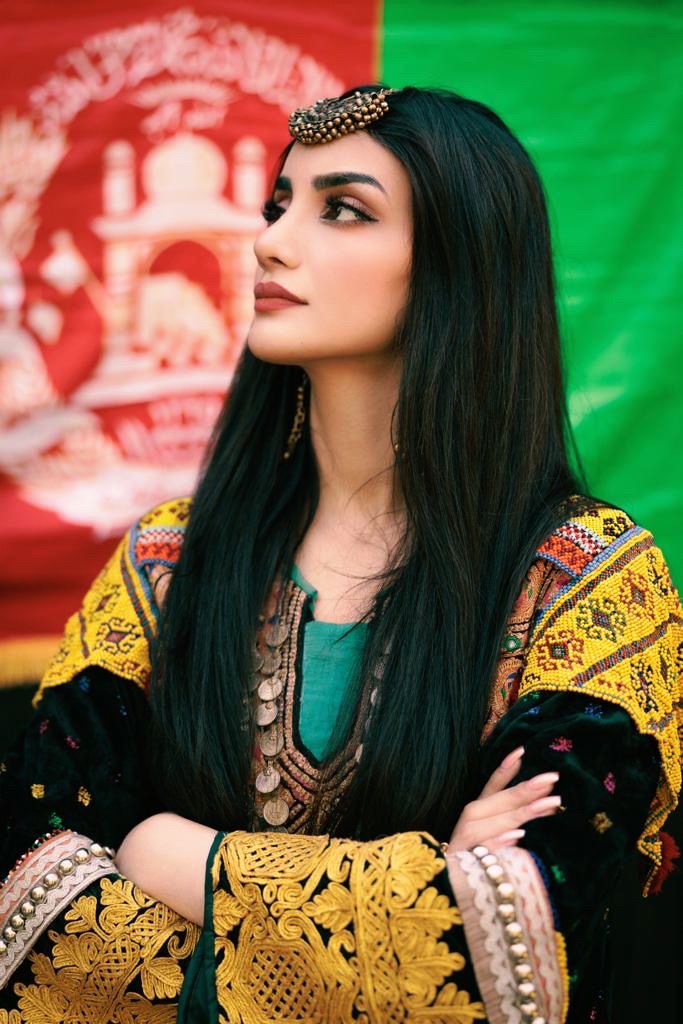
Afghanistan is often analysed externally according to whichever geopolitical crisis is dominant. During the last twenty years, it was overwhelmingly interpreted through terrorism, Pakistan, NATO and the war on terror.
That framework obscures how historically interconnected Afghanistan is.
Looking north reminds us that Afghanistan is not simply the western edge of South Asia or an appendage of the Middle East. It is also deeply connected to Central Asia.
For Kunduz, Balkh, Badakhshan and other northern provinces, understanding relationships with Tajikistan, Uzbekistan and Turkmenistan helps explain trade, culture, identity, security and political dynamics that cannot be understood solely through Kabul or Pakistan.
Afghanistan has always stood at a crossroads. Reducing it to a battlefield between competing powers has prevented outsiders from understanding the country as a society.
You had to rebuild your life after arriving in Poland. Has becoming an entrepreneur again in Europe changed how you think about economic independence?
Yes, because exile forced me to experience economic independence from another perspective.
On 23 August 2021, I left Afghanistan with my husband and our three very young children. I went from a life and career that I had spent years building to arriving in Warsaw and facing enormous uncertainty.
I had to start again.
There is something profoundly humbling about becoming a refugee. Your qualifications, reputation, networks and achievements do not necessarily cross a border with you in the same way your body does.
Rebuilding businesses and professional life in Europe reminded me that entrepreneurship is not only about financial independence. It is also about identity and dignity.
In Afghanistan, creating businesses was partly about expanding women’s possibilities within a restrictive environment.
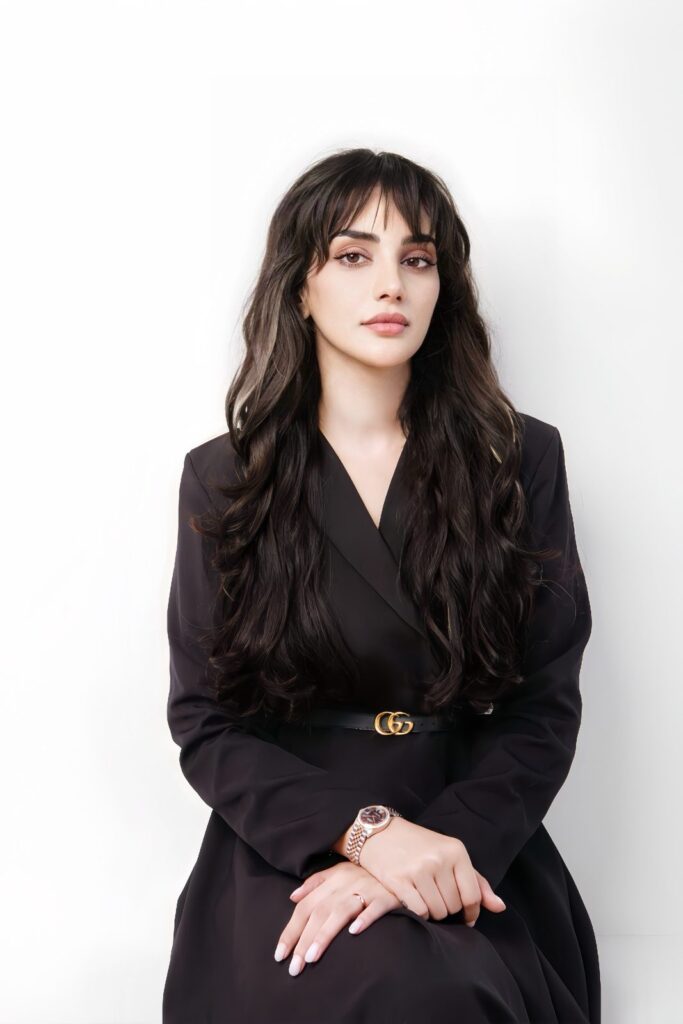
In Europe, rebuilding became partly about refusing to allow displacement to reduce me permanently to the identity of “refugee.”
I am proud of surviving, but I do not want survival to be the highest ambition available to displaced women.
We should be able to rebuild, lead, create, employ people and contribute economically to the societies in which we now live.
Economic independence means different things in Warsaw and Kabul, but its psychological foundation is similar: the ability to make choices about your own life.
After years of conferences, meetings and appeals to governments, what kind of international action do you still believe can make a concrete difference?
After five years, I have become much less interested in statements and much more interested in consequences.
The Taliban have learned that international condemnation is often temporary and rarely carries sufficient cost.
We issue statements. We organise conferences. We express outrage. Then another meeting takes place, another diplomatic channel opens and another concession is described as “pragmatic engagement.”
Engagement without benchmarks becomes normalisation.
I am not arguing that the international community should abandon Afghanistan. Isolation that harms ordinary Afghans is not a solution either. Humanitarian assistance must continue, and Afghans should not be punished for the actions of the Taliban.
But engagement must have conditions.
There should be measurable requirements concerning women’s education, employment, movement and participation in public life. Afghan women and independent civil society must have meaningful representation in international discussions about Afghanistan, not ceremonial invitations after decisions have already been made.
There must also be accountability. That means supporting international legal mechanisms, documenting abuses, protecting journalists and human-rights defenders, and advancing the recognition of gender apartheid in international law.
At the same time, international support should reach Afghan-led initiatives directly, particularly women-led education, media, civil society and humanitarian networks.
I have spent years helping vulnerable Afghans, including women at immediate risk, journalists, activists and families trying to escape danger. One lesson has become very clear to me: sometimes relatively small, targeted interventions change an actual human life more effectively than another multimillion-dollar conference about Afghanistan.
What has failed is the repeated assumption that Afghan women’s rights can be postponed until some future political settlement.
We have seen where that logic leads.
Afghan women do not need the world to speak endlessly about how courageous they are. They need the international community to make their persecution politically, diplomatically and legally consequential.
I still believe international action can make a difference. Otherwise I would not continue doing this work.
But solidarity without consequences eventually becomes ceremony.
And Afghan women have had enough ceremonies.
By Mathieu Lemoine, Editor-in-Chief for Novastan English.