





 From São Paulo to Central Asia: How Brazilian Funk Found an Unexpected Audience

Support Novastan, the European Central Asia magazine
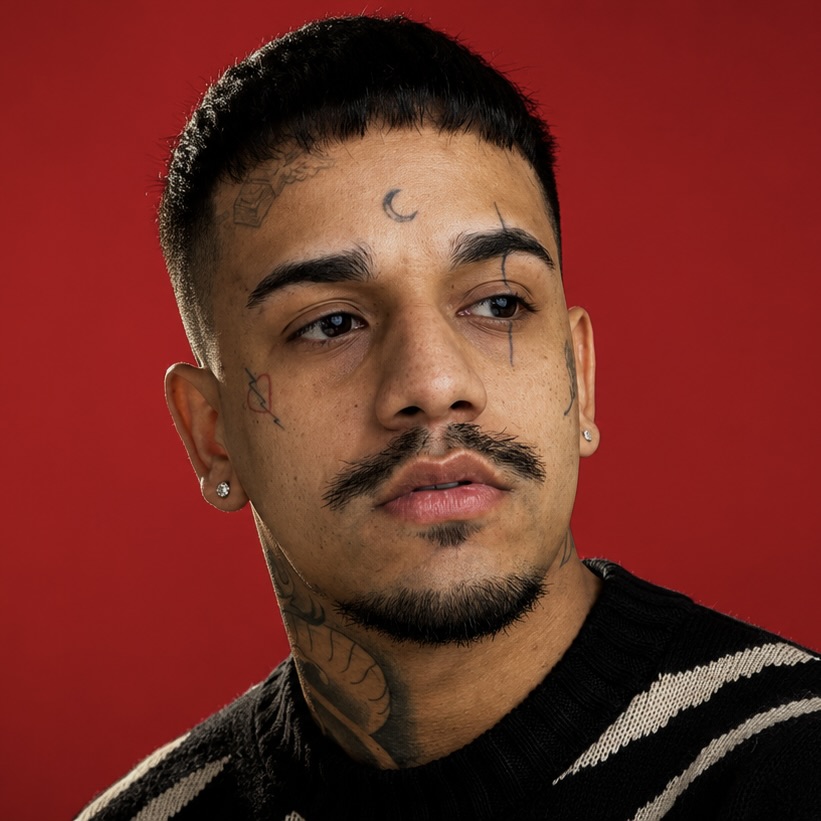
By supporting Novastan, you are supporting the only English, French and German-language media specialising in Central Asia. We’re independent and we need your help to stay that way!Brazilian producer DJ Guilherme never expected his music to reach Kazakhstan and Uzbekistan. Yet his tracks have appeared on local streaming charts and in TikTok videos featuring modified cars, motorcycle stunts and football stars. Speaking to Novastan, he reflects on how digital platforms are connecting musical cultures thousands of kilometres apart.
When Brazilian music producer DJ Guilherme began experimenting with a fusion of funk and electronic music in São Paulo in 2018, Central Asia was hardly on his mind. Years later, he discovered that his music was circulating thousands of kilometres away, appearing on streaming charts in Kazakhstan and Uzbekistan and providing the soundtrack to videos by local social media creators.
The discovery came unexpectedly. A Turkish Instagram page had used his music in a video, prompting him to look more closely at his international audience. “After that, I started paying closer attention to my statistics and noticed growing activity in countries I had never expected to reach,” he told Novastan. Shortly afterwards, Apple Music for Artists began notifying him about chart activity in Kazakhstan and Uzbekistan.
“I was genuinely excited! I started checking the charts almost every day, looking for new videos and trying to understand what was happening.”
From Brazilian car culture to Central Asian TikTok
Guilherme, who recently became a voting member of the Latin Recording Academy, the organisation behind the Latin Grammy Awards, had spent years building his career in São Paulo’s funk scene before developing his signature sound.
Born out of the musical environment of São Paulo, Guilherme’s Beat UnderCover project combines elements of funk automotivo, a form of Brazilian funk associated with powerful car sound systems, with electronic and rave music.
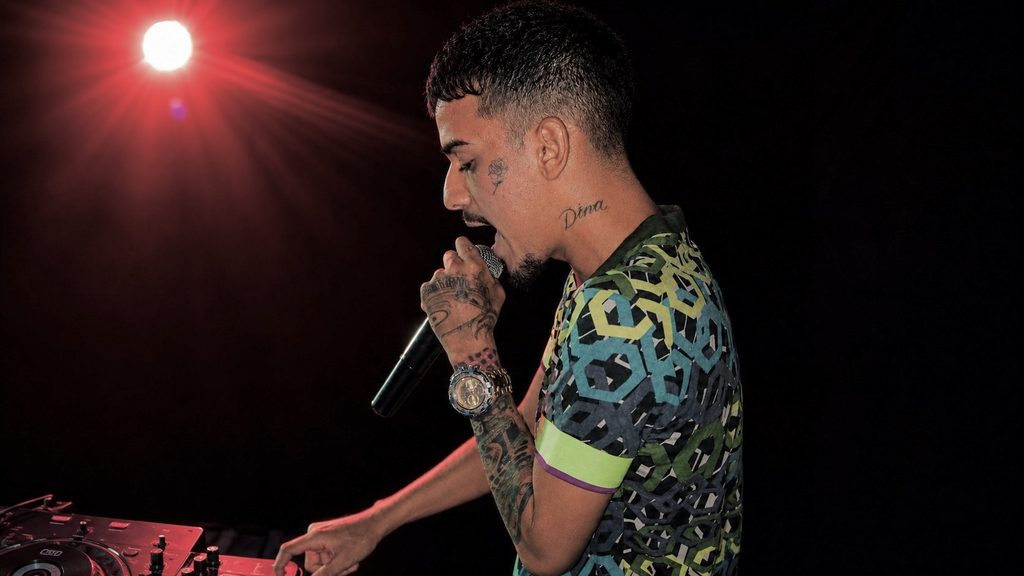
His interest in music began during childhood, when he recorded songs from FM radio onto cassette tapes and watched hip-hop DJs perform at neighbourhood parties. Around 2010, he began teaching himself music production. By 2018, after years of attending funk parties and electronic music events, he had started experimenting with a sound that brought the two genres together. The result was Beat UnderCover, released in January 2019.
Years later, versions of the recording began attracting attention in Central Asia.
According to chart documentation supplied by Guilherme, BEAT UnderCover (Slowed Reverb) reached first place on Shazam’s Viral chart in Uzbekistan, a result he documented on 19 June 2025. Another recording from his catalogue, Só Socadinha, featuring MC Vuk, MC Morena and MC Cyclope, reached number 14 on Spotify’s Viral Songs chart in Kazakhstan on 4 June 2025. The tracks also circulated on TikTok, particularly through slowed-down versions that change the tempo and atmosphere of the original recordings. Data compiled through the music analytics platform CHARTEX identified videos associated with BEAT UnderCover – Taqap Taqap (Slowed Reverb) among creators classified as Kazakhstan-based.
The videos were not necessarily about music. Instead, the recordings appeared in content featuring modified cars, motorcycle stunts, nightlife and football. Guilherme was particularly surprised to discover edits featuring Abdukodir Khusanov, the Uzbek footballer who joined Manchester City in January 2025. “What caught my attention most was the connection with modified car culture and motorcycle stunts,” he explained.
“It’s fascinating because Beat UnderCover was born from my experiences with Brazilian car sound systems and funk automotivo. Seeing those same musical elements connect with people in another part of the world feels like a remarkable coincidence.”
When music travels without its creator
The international circulation of Guilherme’s music also illustrates a distinctive feature of today’s digital music culture: a track can become familiar to audiences who know little about the person who created it. While researching the story, Novastan contacted a Kazakhstan-based TikTok creator whose account appeared in the analytics associated with Guilherme’s music. The creator could not recall the track, even after being sent a link.
Read more on Novastan: From Q-pop to Hip-Hop: Kazakhstan’s Multilingual Sound
That exchange does not establish how the music reached Kazakhstan, but it highlights one of the difficulties in tracing musical trends on social media. Songs can circulate as background audio, through remixes or as sounds reused by other creators. Their rhythms may become recognisable while the artists behind them remain relatively anonymous.
For Guilherme, the route his music took remains a mystery.
“One possibility I’ve considered is that the growing popularity of Brazilian funk in Turkish digital communities may have contributed to its circulation among audiences elsewhere, including Central Asia,” he said. “However, this is only a hypothesis. I don’t have enough evidence to confirm that connection or establish whether the Shazam activity came before the TikTok videos.”
The available streaming and social media statistics document the music’s presence in Kazakhstan and Uzbekistan, but they cannot establish precisely how listeners discovered it or whether it reflects a wider, sustained interest in Brazilian funk across the region.
Nevertheless, the recordings’ use in car and motorcycle videos offers an intriguing cultural parallel. Born in Brazilian car-sound-system culture, the music has found applications in Central Asian videos featuring similar visual themes, even when the creators may be unfamiliar with its original context.
Discovering Central Asia through music
The unexpected attention has also encouraged Guilherme to learn more about a region he previously knew little about. “Most of my impressions came from international popular culture, which often presents a limited or stereotypical picture,” he acknowledged.
He began watching documentaries and exploring local social media content, eventually publishing a TikTok video with captions in Kazakh. For the Brazilian producer, the experience has changed how he thinks about cultural exchange. “I saw videos featuring modified cars, lowered vehicles with powerful sound systems, motorcycle stunts, nightclubs, and football edits using my music,” he recalled.
“The passion I saw in those videos reminded me of the atmosphere at Brazilian funk parties. Different countries, different languages, but a very similar connection with rhythm, cars, entertainment, and music.”
Guilherme is now interested in collaborating with musicians from Kazakhstan and Uzbekistan, although he says he wants to approach any potential partnership carefully. “I would prefer to establish genuine connections with people from these countries first, understand their musical traditions, and learn more about the cultural meaning behind their sounds.”
Read more on Novastan: Finding links between electronic and folk music in “Waiting for the Sea”
He has already experimented with sampling music from the two countries but decided against rushing into releasing anything. His ambition is eventually to visit Central Asia and perform for the audiences who discovered his music online. For now, the story offers a glimpse into how digital platforms can create unexpected connections between musical cultures. A recording produced in São Paulo, shaped by Brazilian car culture and electronic music, can find its way into videos created in Almaty or Tashkent, acquiring new associations along the way.
Guilherme may not yet know exactly how his music reached Central Asia. But the experience has already changed how he sees the relationship between an artist and an audience.
Read more on Novastan: From Küi to Metallica: How Aldaspan Electrified the Kazakh Dombra
“Knowing that something I created in Brazil can bring happiness to someone thousands of kilometers away, regardless of language, is an incredible feeling.”
By Mathieu Lemoine, Editor-in-Chief for Novastan English.