
 The Vocabulary of Reform: Why Central Asia Is Reimagining Its Political Traditions
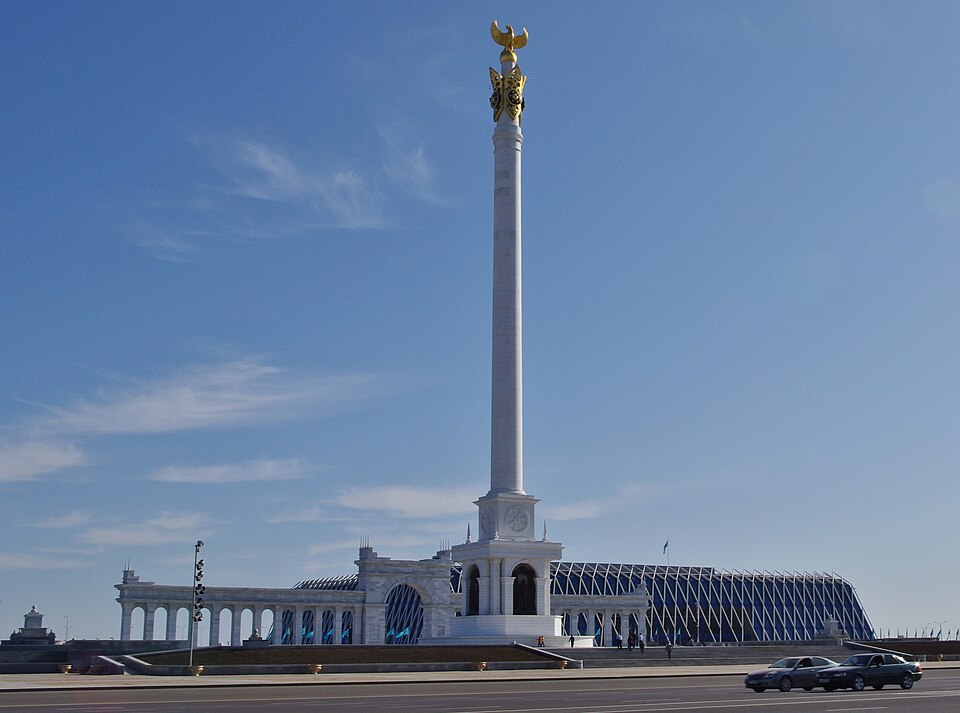
From Kazakhstan’s Kurultai to Uzbekistan’s Mahalla, governments across Central Asia are increasingly framing political reform through institutions rooted in local history rather than imported political models.
For much of the three decades following the collapse of the Soviet Union, discussions about political reform in Central Asia were conducted using a familiar international vocabulary. Elections, constitutions, political parties, decentralisation, civil society and good governance became the dominant language through which both governments and international organisations described political development.
Also read on Novastan: Kazakhstan’s Next Elections: Between Reform and Managed Competition
Increasingly, however, another vocabulary is emerging.
Support Novastan, the European Central Asia magazine
By supporting Novastan, you are supporting the only English, French and German-language media specialising in Central Asia. We’re independent and we need your help to stay that way!Across the region, governments are reviving concepts such as the Kurultai, the Mahalla, the Halk Maslahaty and councils of elders. These institutions are rarely presented as alternatives to constitutional government. Rather, they are increasingly portrayed as ways of making governance more legitimate, more participatory and more deeply rooted in national history.
This raises an important question. Are Central Asian governments simply giving traditional names to modern institutions? Or are they gradually developing a distinct political vocabulary through which reform itself is imagined?
Also read on Novastan: The Lexicon of Kazakh Decolonisation
Political reform is not only about changing institutions. It is also about changing the language through which those institutions are understood and legitimised.
Beyond Imported Models
All political systems derive legitimacy from history as much as from law. France invokes the Revolution and the Republic. Britain draws upon Parliament and Magna Carta. The United States continues to frame politics through the language of its Founding Fathers.
Central Asia is increasingly doing the same.
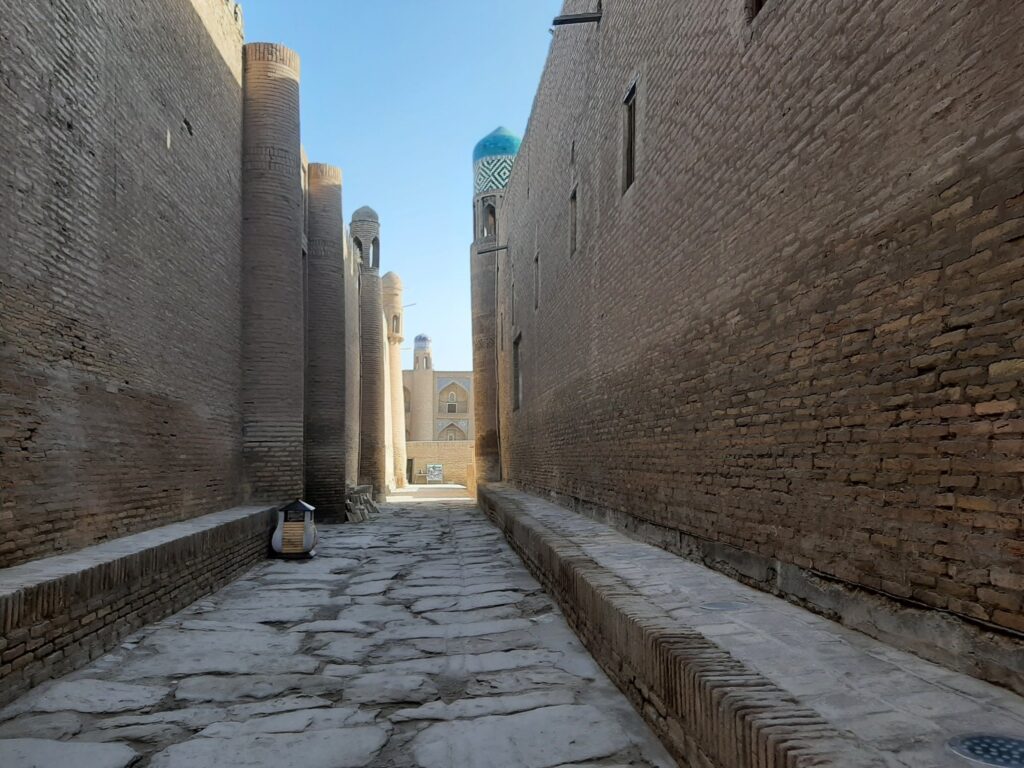
Rather than presenting reform exclusively through concepts inherited from the Soviet period or borrowed from international governance discourse, governments across the region increasingly anchor their legitimacy in historical narratives that resonate more directly with domestic political traditions.
This does not necessarily represent a rejection of constitutionalism or modern statehood. Instead, it reflects an attempt to reconcile contemporary governance with locally meaningful historical references.
Also read on Novastan: “Alaqan”: Aida Adilbek’s decolonial documentary cinema
Kazakhstan: The Kurultai and the Listening State
Kazakhstan perhaps best illustrates this evolution.
Since the January 2022 events, President Kassym-Jomart Tokayev has promoted the idea of a “Listening State”, constitutional reform and the National Kurultai as central elements of the “New Kazakhstan”. Alongside referendums, electoral reform and strengthened consultative mechanisms, the Kurultai has become part of a broader effort to redefine how political authority is presented.
The Kurultai is neither a parliament nor an opposition forum. Rather, it functions as a consultative platform bringing together selected representatives of public life, academics, experts and civil society to deliberate on questions of national identity, reform and long-term development.
Whether viewed as meaningful consultation or carefully managed participation, the Kurultai illustrates an important point. It seeks legitimacy not only through elections or representative institutions, but also through an institution whose historical roots reach back to the political culture of the Eurasian steppe.
Also read on Novastan: Manas and the Making of Kyrgyzstan
Uzbekistan: The Mahalla Between Community and State
Uzbekistan offers a different but equally important example through the Mahalla.
Often translated simply as a neighbourhood community, the Mahalla is in practice much more than a local tradition. It plays a role in social assistance to families in need, neighbourhood mediation, community mobilisation, welfare delivery and the administrative interface between citizens and the state, including in sensitive areas such as the registration and monitoring of religious communities.
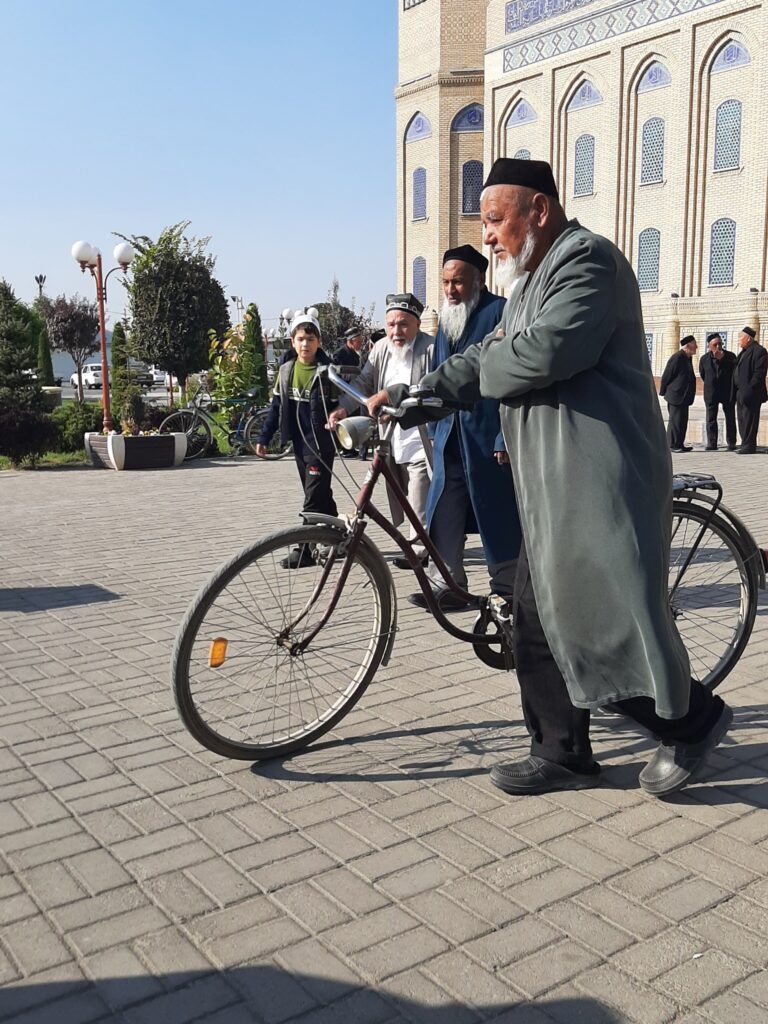
It also intervenes in family life, including disputes concerning marriage, divorce and domestic violence. In many cases, Mahalla-level mediation provides rapid community support. Yet it has also been criticised for encouraging reconciliation in situations of gender-based violence, discouraging divorce or prioritising family cohesion over the protection and autonomy of women experiencing abuse.
Under the banner of the “New Uzbekistan”, the Mahalla has been presented not as a relic of the past but as a cornerstone of modern governance. Its strength lies precisely in this dual nature: deeply embedded in everyday community life while simultaneously serving as an important interface between society and the state.
Kyrgyzstan: Contesting the Meaning of the Kurultai
If Kazakhstan presents the Kurultai as a consultative institution, Kyrgyzstan illustrates how the same historical concept can become an object of democratic contestation.
Successive debates over the People’s Kurultai have revolved around fundamental constitutional questions. Should it merely advise elected institutions? Should it exercise oversight? Does it strengthen democratic participation or risk creating a parallel source of political legitimacy?
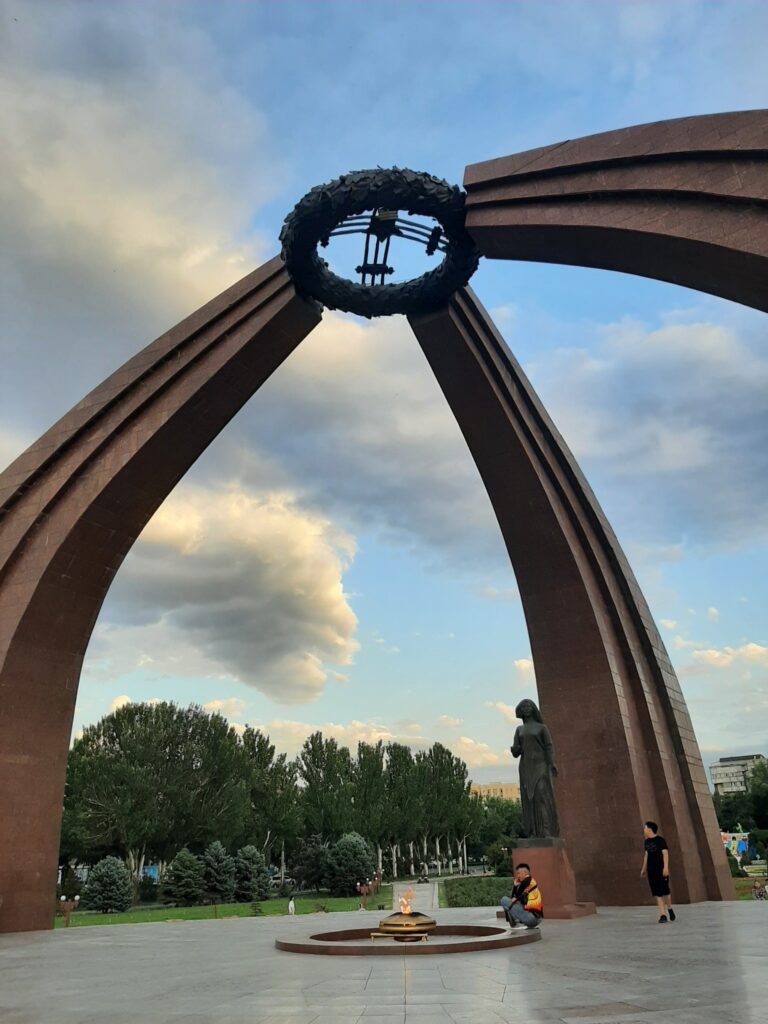
Rather than providing definitive answers, Kyrgyzstan demonstrates that historical institutions themselves become arenas of political debate when adapted to modern constitutional systems.
Turkmenistan: Tradition as State Legitimacy
Turkmenistan represents perhaps the most institutionalised version of this regional tendency.
The Halk Maslahaty, together with councils of elders and the symbolic authority of aksakals, presents political authority through the language of continuity, wisdom and national consensus. These institutions are not designed as arenas of political competition. Instead, they frame presidential authority within narratives of collective consultation and historical legitimacy.
Their significance therefore lies less in electoral politics than in the symbolic vocabulary through which political authority is justified.
Tajikistan: Statehood, Unity and the Persianate Legacy
Tajikistan follows a different path.
Its political vocabulary is less centred on Turkic or nomadic traditions than on national unity, statehood and the Persianate cultural heritage. References to the Samanid dynasty, the Tajik language and the country’s civil war increasingly serve to anchor contemporary political authority within a narrative of historical continuity and national resilience.
At the local level, elders and community mediation continue to play important social roles. While these traditions are not usually presented as formal instruments of political reform, they nevertheless perform a similar function: linking governance to ideas of continuity, cohesion and collective identity.
A Region Reimagining Its Past
Taken together, these examples suggest a broader regional phenomenon.
Central Asia is not abandoning elections, constitutions or representative institutions. Nor is it simply returning to pre-modern forms of governance.
Instead, governments are increasingly combining modern constitutional structures with institutions, concepts and symbols drawn from selectively reinterpreted historical traditions. The result is neither a rejection of international governance norms nor a simple revival of the past. It is a process of institutional hybridisation.
Also read on Novastan: Dead in the Water: Has the Common Turkic Alphabet Failed to Boost Turkish Influence in Central Asia?
This trend also intersects with a wider romanticisation of Turkic, steppe and nomadic heritage. Institutions such as the Kurultai or the authority of aksakals are often presented as evidence of an ancient political culture rooted in consultation, consensus and collective wisdom. Such narratives can offer valuable alternatives to the assumption that political modernity must always be expressed through imported institutional models. Yet they also carry risks. Complex historical realities can be simplified into reassuring myths, while diverse and sometimes hierarchical political traditions become reimagined as timeless expressions of participatory governance.
Türkiye’s recent decision to replace “Central Asia” with “Turkestan” in parts of its school curriculum reflects this wider intellectual shift. Increasingly, the region is being described through historical and cultural concepts associated with the Turkic world rather than Soviet-era geography or externally imposed terminology. Whether one views this as decolonisation, cultural revival or geopolitical symbolism, it illustrates the growing importance of historical narratives in shaping contemporary political identities.
More Than Words
The emergence of this vocabulary reflects deeper transformations.
A generation with little or no memory of the Soviet Union has reached adulthood. Nation-building has entered a more mature phase. Governments increasingly seek legitimacy not only through economic development or institutional reform but also through narratives that resonate with national history and collective identity.
This does not mean these institutions necessarily produce more accountable governance. Traditional concepts can broaden participation, but they may also reinforce hierarchy, exclude dissenting voices or provide new symbolic foundations for existing power structures.
The question facing Central Asia is therefore not whether it is returning to its past. It is not. Nor is it simply reproducing Western constitutional models. Increasingly, the region appears to be constructing something in between: modern states that seek legitimacy through institutions inspired as much by their own historical narratives as by international governance norms.
Whether these hybrid models ultimately strengthen accountability, broaden participation or merely repackage existing political authority remains an open question. What is already clear, however, is that Central Asia is no longer only reforming its institutions. It is also reinventing the language through which political legitimacy itself is imagined.
Mathieu Lemoine, Editor-in-Chief for Novastan-English